A root canal may save teeth from extraction when the pulp becomes infected or inflamed. An endodontist can save your tooth by removing the pulp and cleaning, reshaping, and sterilising the root canals, potentially preserving it for years, decades, or even a lifetime.
The periodontal ligament holds the teeth in place despite the fact that it no longer contains living pulp tissue, ensuring that it can continue to function like your other teeth even after the pulp has been removed.
Although root canals may last a lifetime, there are some situations where your tooth may require further treatment. How long does a root canal last? It is addressed in the blog post that follows, along with an explanation of some of the variables that affect its durability.
How Long do Root Canals Last?
We can get rid of your pain and improve the health of your mouth by extracting the nerve and pulp of the tooth that is infected, cleaning it out, and disinfecting it. Success rate of a root canal treatment is quite high. The lifespan of a root-canalled tooth cannot be predicted with a specific number.
Root canal therapy is frequently used as a last resort to save a tooth that has been damaged by decay or an accident. A tooth that has had a root canal typically continues to function normally for many years after the procedure. Even after treatment, a tooth can last a lifetime.
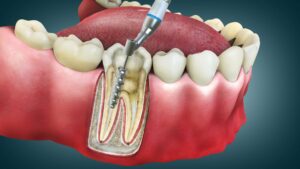
Factors that Impact the Longevity of Root Canals
What distinguishes a root canal that lasts a lifetime from one that needs to have retreated after a few years? What steps should a patient take to increase the chances of a good outcome? Here are some points to consider.
The Initial extent of Decay
The better the results will be, the earlier the patient receives dental care for tooth decay. More tooth structure needs to be removed from a tooth with advanced decay in order to make room for restorative materials like composite and crowns. Although dental materials have come a long way, real dentin and enamel still have the same structural integrity.
Bacteria may live both inside the infected tooth and the nearby bone. Even with the right care, infections that have been present for a long time may be difficult or impossible to treat. Some endodontic infections cause such significant bone loss that the tooth cannot be saved. The tooth becomes less stable as a result of compromised bone support.
Location of the Tooth
Depending on where they are, teeth can perform different functions. The primary purpose of anterior teeth, which have a single root, is to tear and cut things. Because they are designed specifically for chewing, posterior teeth are well suited to withstand the increasing forces created when we chew our food.
When tooth structure is lost, the tooth’s strength and capacity to withstand forces from mastication are also lost (chewing).
Treatment Success
A qualified dentist should always administer root canal therapy. It goes without saying that choosing an endodontist to perform your procedure is the best option. A good first step is to have a specialist handle your issue, but success depends on a variety of variables.
Prior to sanitising the tooth chamber during treatment, the dentist must identify and remove as much diseased tissue as possible. This is more challenging when treating back teeth because the roots may contain several nerve canals that must all be accessed.
Patient Age and Health
Patients’ teeth become more brittle as they get older, making them potentially more prone to breaking both before and during dental work. As a result of their symptoms or medications, many elderly patients also have systemic conditions that affect their oral health.
For instance, dry mouth contributes to the growth of oral infections because the body doesn’t produce enough saliva to remove food debris from the teeth. Treatment may become more challenging if the nerve canals have calcified or closed.
Root Canal Failure
There are several potential causes for a root canal treatment to fail. They include, but are not limited to, a fractured root or missed nerve tissue, as well as a breakdown of the crown or its internal sealant. Root canal failure can cause pain, tenderness when biting, swollen gums, loose teeth, or sinus pain, which necessitates endodontic retreatment for the patient.
Good Aftercare
Dental procedures are only the beginning of maintaining your oral health; the patient’s level of hygiene after the treatment also has a big impact on how long a tooth will last after treatment. To achieve long-term dental wellness, regular checkups, teeth cleanings, and prompt treatment for any issues are essential. Here are a few aftercare tips for root canals:
- Eat softer foods
- Take special care to chew on the side of your mouth that didn’t go through the procedure
- Be careful when brushing the tooth
- Use a mouthwash to reduce the irritation of the gum
- Do not smoke or consume alcohol
- Take all medications as prescribed
Conclusion
Because there are multiple factors at play, we are unable to predict how long your root canal will last. We do, however, know that a root canal is a successful procedure that lets you save a damaged tooth, and when carried out by a board-certified endodontist, it’s very likely to last a decade or more.