Invisalign has become one of the most popular treatments for adults and teens who want to straighten their teeth discreetly. Invisalign treatment works with a series of removable clear aligners that gradually move teeth into better alignment.
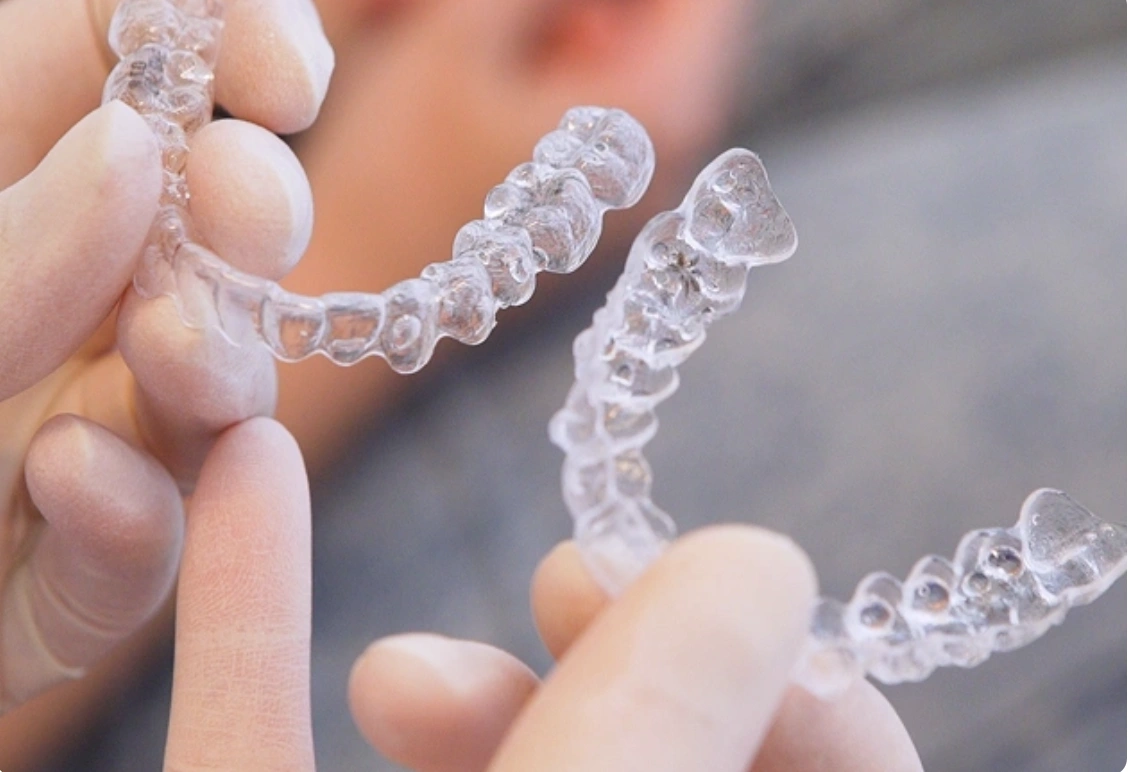
Unlike fixed braces, these aligners are virtually invisible when worn, which is an advantage for adults who need a less intrusive orthodontic solution for work, social situations and everyday life.
At Perfect Smile Dental, we’re proud to have successfully helped over 12,000 patients with Invisalign treatment across our 28 clinic locations across the UK with personalised clear aligner plans focused on natural-looking results, long-term bite stability and patient confidence.
What Changes Can You Expect From Invisalign?
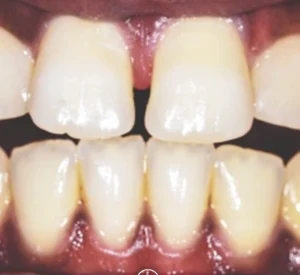
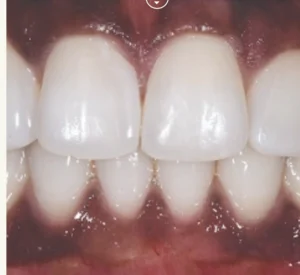
Clear Aligners Before And After
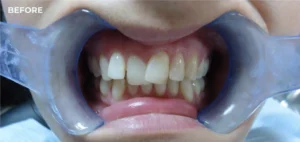
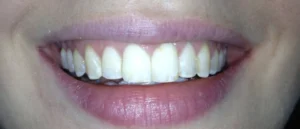
| Before Invisalign | After Invisalign |
| Crowded or overlapping teeth | Straighter smile alignment |
| Small gaps between teeth | More even spacing |
| Overbite concerns | Improved bite balance |
| Uneven smile symmetry | More balanced appearance |
| Twisted or rotated teeth | Improved tooth positioning |
| Difficulty cleaning crowded teeth | Easier oral hygiene maintenance |
One reason searches for “Invisalign before and after UK” continue to increase is that clear aligners can create noticeable smile improvements while remaining discreet throughout treatment.
What Your Dentist Looks For Before Invisalign

- Crowding: Teeth that overlap or lack enough space are assessed to determine how much movement is needed to achieve proper alignment.
- Spacing: Gaps between teeth are evaluated to identify the cause and plan controlled tooth movement for a more even smile.
- Overbite: Your dentist checks how far the upper front teeth overlap the lower teeth to determine whether bite correction is needed.
- Crossbite: The way the upper and lower teeth meet is examined, as crossbites can affect chewing, tooth wear and long-term oral health.
- Rotations: Twisted or turned teeth are assessed because they often require carefully planned movements to achieve the correct position.
- Gum Health: Healthy gums provide the foundation for safe tooth movement, so any signs of gum disease are treated before Invisalign begins.
- Existing Restorations – Crowns, bridges, veneers and large fillings are reviewed to ensure they are compatible with your Invisalign treatment plan.
Who is A Good Candidate For Invisalign?
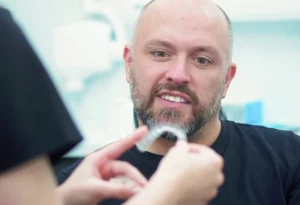
Invisalign is available for virtually all patients who want clear, removable aligners instead of metal braces to straighten their teeth. Patients choosing treatment usually want something more discreet that fits around work, social life and everyday life. Invisalign might be appropriate for:
- Teenagers who have mild to moderate alignment problems.
- Adults with loose teeth who desire discreet treatment.
- Patients with crowded or overlapping teeth may benefit from orthodontic treatment.
- Small gaps between teeth.
- Some mild-moderate overbite issues. Reviewing Invisalign overbite before and after results can also help patients better understand how clear aligners may improve both smile appearance and bite balance over time.
- Patients with teeth that shifted after earlier braces may benefit from modern orthodontic treatments.
- People want an alternative to fixed braces.
- Patients want removable aligners for easier cleaning/eating.
Who is Not a Good Candidate For Invisalign?
- Severe jaw alignment problems
- Complex orthodontic/skeletal bite issues.
- Advanced tooth movement cases
- Patients with untreated gum disease are at risk.
- They are unlikely to wear aligners continuously.
- Cases involving extensive bite reconstruction.
Follow Angellica Bell’s Invisalign Journey At Perfect Smile Richmond
View this post on Instagram
We recently had the pleasure of welcoming Angellica Bell to our Perfect Smile Richmond practice as she continued her Invisalign journey with Dr Dinesh Mohan. Known to many viewers across the UK for her work on The One Show and The Martin L
Tero Digital Scanner
ewis Money Show, Angellica has been documenting her Invisalign experience while improving her smile discreetly around a busy professional schedule. Watch the video to follow more of her Invisalign journey at Perfect Smile Dental.
Experience Invisalign With The iTero Digital Scanner
View this post on Instagram
See Your Future Smile Before Treatment Even Begins
At Perfect Smile Dental, we start Invisalign treatment with digital scanning using the iTero scanner, an advanced system that makes smile planning faster, more comfortable, and much more precise than traditional dental impressions.
The iTero scanner takes detailed 3D images of your teeth and bite in just minutes. Digital scans produce more precise Invisalign treatment plans and allow patients to visualise possible smile improvements before treatment begins.
Invisalign Smile Transformations At Perfect Smile
View this post on Instagram
Many patients researching “Invisalign before and after 6 months” cases are often surprised by how subtle the aligners appear during everyday wear while still creating noticeable smile improvements over time. In this patient transformation story, Emily shares how her journey began with Invisalign to improve alignment, followed by professional teeth whitening to refine the final smile balance.
Realistic Invisalign Before And After Results
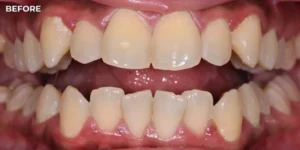
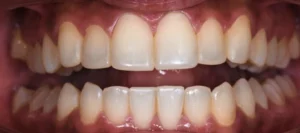
The most common misconception is that treatment works only for very minor cosmetic changes. In reality, many modern aligner systems can correct crowding, spacing and even some bite problems. Realistic Invisalign results:
- Straighter tooth alignment
- Improved smile symmetry
- Reduced crowding
- More balanced bite positioning
- Improved spacing between teeth
- Better overall smile proportions
- Easier oral hygiene access
Before Invisalign Treatment: Preparing for the Best Results
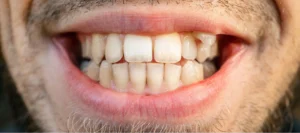
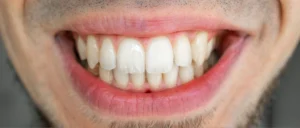
- Treat Existing Dental Problems: Any tooth decay, gum disease or active dental infections should be addressed before Invisalign treatment begins.
- Maintain Good Oral Hygiene: Healthy teeth and gums provide the best foundation for safe and predictable tooth movement.
- Attend Your Consultation: A thorough assessment, including digital scans and bite analysis, helps create a personalised treatment plan.
- Understand the Commitment: Invisalign aligners should be worn for 20–22 hours a day to achieve the planned results.
- Discuss Existing Dental Work: Let your dentist know about any crowns, bridges, veneers or implants so they can be considered during treatment planning.
After Invisalign Treatment: Protecting Your New Smile

- Wear Your Retainers: Retainers help keep your teeth in their new position and reduce the risk of relapse.
- Maintain Excellent Oral Hygiene: Brush twice daily, floss regularly and attend routine dental check-ups to keep your smile healthy.
- Attend Review Appointments: Follow-up visits allow your dentist to check your bite, retainers and long-term stability.
- Replace Worn Retainers When Needed: Damaged or loose retainers may not hold your teeth effectively and should be replaced promptly.
- Monitor Any Changes: If you notice teeth beginning to shift or your retainer no longer fits properly, contact your dentist as soon as possible to prevent further movement.
Recovery Timeline After Invisalign
Unlike traditional fixed braces, Invisalign generally means a more comfortable adjustment process for many patients. But because the aligners move teeth over time, some temporary pressure and sensitivity may still occur during different treatment stages.
| Timeline | What Patients May Experience |
| First Few Days | Mild pressure as teeth begin shifting |
| First 1–2 Weeks | Adjustment to wearing aligners daily |
| First 2–3 Months | Early visible tooth movement in some cases |
| Around 6 Months | Noticeable smile improvements for many patients |
| Long-Term | Straighter alignment and bite improvements |
Patients researching “six month Invisalign before and after worst cases” should also understand that severe orthodontic concerns may require additional aligners, refinement stages or longer-term bite correction to achieve stable results safely.
What Can Affect Your Invisalign Before And After Results?
The final appearance and success of Invisalign treatment can depend on several important factors beyond the aligners themselves.
- Wearing Aligners Consistently: Aligner compliance is probably the biggest driver of Invisalign results. It is recommended that you wear your Invisalign aligners for 20-22 hours per day. Frequent removal of aligners for long periods may delay tooth movement and affect final results.
- Complexity Of Tooth Movement: Minor spacing or alignment issues may resolve faster than severe crowding or bite correction cases. Patients researching “Invisalign overbite cases before and after” should know that bite correction involves more sophisticated planning and longer monitoring.
- Oral Hygiene Habits: Good oral hygiene remains essential during treatment. Since these aligners fit closely around teeth, poor cleaning habits can increase plaque build-up and gum irritation during treatment. The NHS still recommends twice-daily fluoride brushing and regular dental check-ups for healthy teeth and gums.
- Teeth Grinding & Bite Pressure: Patients grinding or clenching their teeth may put additional pressure on aligners, affecting wear and treatment progression.
- Retainer Use After Treatment: Once Invisalign treatment is complete, retainers are usually needed to maintain the final tooth position. Because teeth move with no retention, some adults seek orthodontic retreatment years after braces are placed.
Watch: Dr Dinesh’s Top Invisalign Cleaning Tips
Keeping your aligners clean is an important part of maintaining healthy teeth and achieving the best possible Invisalign results. In this quick video, Dr Dinesh shares some simple but effective ways to help keep your aligners fresh, clear and hygienic throughout treatment.
Ready to See Your Own Invisalign Before & After?
Every smile is different, which is why Invisalign treatment begins with a personalised assessment rather than a one-size-fits-all approach. At Perfect Smile Dental, our experienced clinicians use advanced digital scanning and bespoke treatment planning to show how your smile could change and guide you through every stage of your Invisalign journey.
Book your Invisalign consultation today to discover whether clear aligners are right for you and take the first step towards a straighter, healthier-looking smile.
