


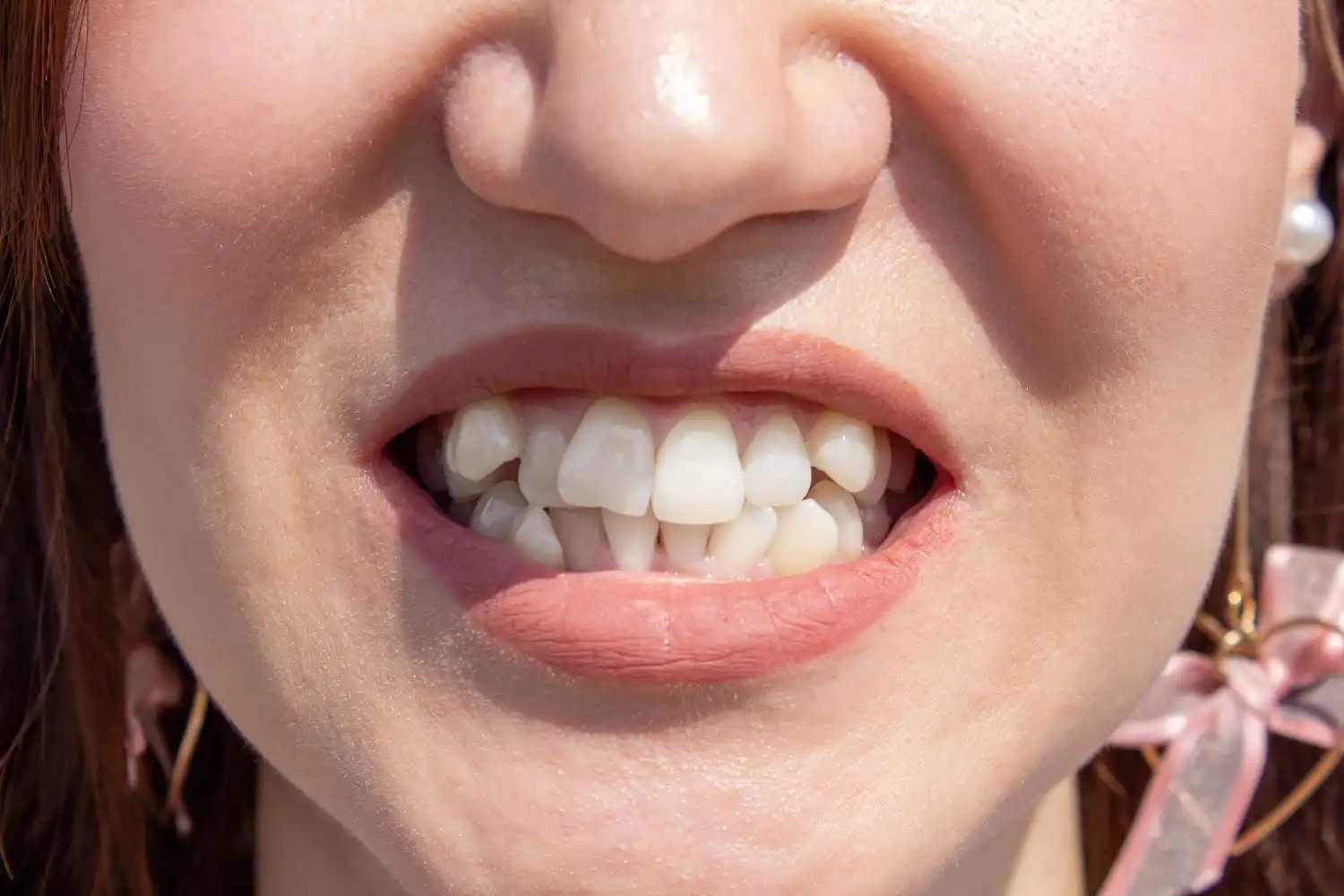
Crowded teeth occur when there is not enough space for the teeth to sit comfortably in their intended positions. As a result, teeth may overlap, twist, rotate or erupt out of alignment.
Dental crowding can range from a slight overlap affecting one or two teeth to severe teeth crowding involving much of the upper or lower dental arch. While many people are concerned primarily about appearance, crowding can also make certain areas harder to clean and may affect how the teeth meet when biting.
The appropriate crowded teeth treatment depends on the amount of crowding, the position of the teeth and whether the bite is also affected.
What is Dental Crowding?
Dental crowding describes a lack of space within the dental arch. The teeth compete for the available room and may overlap or move out of alignment. You might notice:
- Crooked or overlapping teeth
- Teeth that appear twisted or rotated
- One tooth sitting in front of or behind another
- Tight areas that are difficult to floss
- Front teeth crowding that affects the appearance of the smile
Crowding can affect the upper teeth, lower teeth or both. Bottom teeth crowding is particularly common because the lower front teeth can gradually shift over time. Some people have mild crowding with little effect on their oral health. Others have extremely crowded teeth that create significant difficulties with cleaning or bite alignment.
What Causes Crowded Teeth?
Causes of teeth crowding can be many. The size and shape of the jaw and teeth are strongly influenced by genetics. A person may inherit a relatively small dental arch in relation to the size of their teeth, leaving insufficient room for everything to align naturally. Other factors that may contribute include:
- Genetics and Jaw Size: A smaller or narrower jaw may not provide enough space for all the teeth. This is one of the most common explanations for crowding.
- Changes During Tooth Development: Early loss or prolonged retention of baby teeth can affect the path of the permanent teeth as they erupt. Neighbouring teeth may move into available space, leaving less room for the teeth that follow.
- Tooth Movement Over Time: Teeth are not completely fixed in one position throughout life. Gradual changes can make overcrowded teeth more noticeable in adulthood.
- Childhood Habits: Some long-term oral habits during childhood can influence tooth and jaw development, although their effect depends on the habit and an individual’s underlying growth pattern.
- Wisdom Teeth and Crowding: Many people notice crowding around the time their wisdom teeth erupt and assume that the wisdom teeth are pushing all their other teeth forward.
Can Crowded Teeth Cause Problems?
Crowded teeth are not always harmful, and not everyone requires treatment. However, overlapping and rotated teeth can create areas that are more difficult to clean. Plaque and food debris may accumulate between tightly positioned teeth, increasing the risk of tooth decay and gum problems. Crowding may also contribute to:
- Difficulty brushing or cleaning between teeth
- Food regularly becoming trapped
- Uneven tooth wear
- Chipping in areas subjected to abnormal contact
- Bite problems in some cases
Orthodontic treatment can improve alignment and make oral hygiene easier in suitable cases.
Mild Teeth Crowding vs Severe Teeth Crowding
The amount of crowding matters when choosing treatment.
- Mild teeth crowding may involve only slight overlap and may be primarily an aesthetic concern. In some cases, monitoring and maintaining good oral hygiene may be sufficient.
- Severe teeth crowding can involve substantial overlap, rotation or displacement of multiple teeth. It may affect the bite, make cleaning more challenging and require more complex orthodontic planning.
The appearance of the teeth alone does not always reveal the full extent of the problem. A dental or orthodontic assessment can examine the roots, bite and available space before recommending treatment.
How to Fix Crowded Teeth
The most effective way to physically change the position of crowded teeth is through orthodontic treatment. Treatment gradually moves teeth into more suitable positions. The exact approach depends on the severity and type of crowding, as well as the condition of the teeth and gums. Are you searching internet for fixing overcrowded teeth in adults? Treatment can still be possible. Orthodontic treatment is not limited to children, although the treatment plan and options depend on the individual case.
Invisalign for Overcrowded Teeth
Clear aligners may be suitable for some cases of mild to more complex crowding. Invisalign treatment uses a series of removable aligners designed to gradually move the teeth. Whether clear aligners are suitable depends on the amount of movement required and other aspects of the bite. Treatment planning should consider more than whether the teeth will look straighter. The bite, gum health and long-term stability of the result are also important.
Can Braces Fix Crowded Teeth?
Yes. Braces with crowded teeth are a common orthodontic treatment approach. Fixed braces can provide precise control over tooth movement and may be used for a wide range of crowding problems. They can also be suitable where the bite requires more complex correction. The type of appliance recommended depends on the individual case rather than crowding alone. Orthodontic braces may be recommended where fixed treatment provides the most appropriate way to achieve the planned tooth movements.
Is Dental Bonding for Crowded Teeth an Option?
Dental bonding for crowded teeth can improve the appearance of minor irregularities in selected cases, but it does not move the teeth or correct the underlying crowding. Composite bonding may be used to adjust the shape or edges of teeth where the misalignment is minimal. It is therefore different from orthodontic treatment.
For example, bonding may improve the appearance of a slightly uneven tooth, while significant overlap usually requires a treatment that physically changes tooth position. A composite bonding treatment assessment can determine whether cosmetic reshaping is appropriate or whether orthodontic treatment would better address the underlying issue.
Can Crowded Teeth Cause Pain?
Teeth crowding pain is not always directly caused by the crowding itself. Mild crowding is often painless. However, tightly positioned teeth can make cleaning difficult, potentially increasing the risk of gum inflammation or decay, both of which can cause discomfort.
In some cases, crowding may also occur alongside a bite problem that places uneven pressure on certain teeth. Persistent tooth or jaw pain should therefore not automatically be blamed on crowded teeth. A dental examination can identify whether there is another problem requiring treatment.
What Happens During Crowded Teeth Treatment?
Before treatment begins, a dentist or orthodontist assesses the teeth, gums and bite. This may involve photographs, digital scans or X-rays. The aim is to understand how much space is available, where the teeth and roots are positioned and whether the bite also needs correction. Treatment may involve:
- Gradual orthodontic movement
- Creating sufficient space where necessary
- Careful management of the bite
- Retainers after treatment to help maintain the new position
In more complex cases, additional procedures may be considered. Tooth removal is sometimes part of orthodontic planning where there is a significant lack of space, but this is assessed individually rather than being a routine solution.
Can You Prevent Crowded Teeth?
Many of the underlying causes of crowding, particularly genetics and jaw development, cannot be prevented. However, regular dental check-ups can help identify developing crowding early. In children, monitoring how the adult teeth erupt can allow problems to be recognised before they become more complicated.
Good oral hygiene is particularly important when teeth overlap because crowded areas may be harder to clean. For adults, teeth can also change position gradually. If you notice that your lower teeth crowding is becoming more pronounced, a dental assessment can help establish whether treatment or monitoring is appropriate.
When Should You See a Dentist About Crowded Teeth?
Consider arranging an assessment if:
- Your teeth are becoming increasingly crowded
- Food regularly becomes trapped between overlapping teeth
- You struggle to floss or clean certain areas
- Your bite feels different
- Crowded teeth are chipping or wearing unevenly
- You are concerned about the appearance of your smile
Crowded teeth do not automatically require treatment. The decision depends on their effect on your oral health, function and appearance. A professional assessment can determine the cause and severity of the crowding before recommending the most appropriate treatment. The goal of crowded teeth treatment is not simply to make a smile look straighter. Where appropriate, it can also improve alignment, make teeth easier to clean and help create a more stable bite.
