


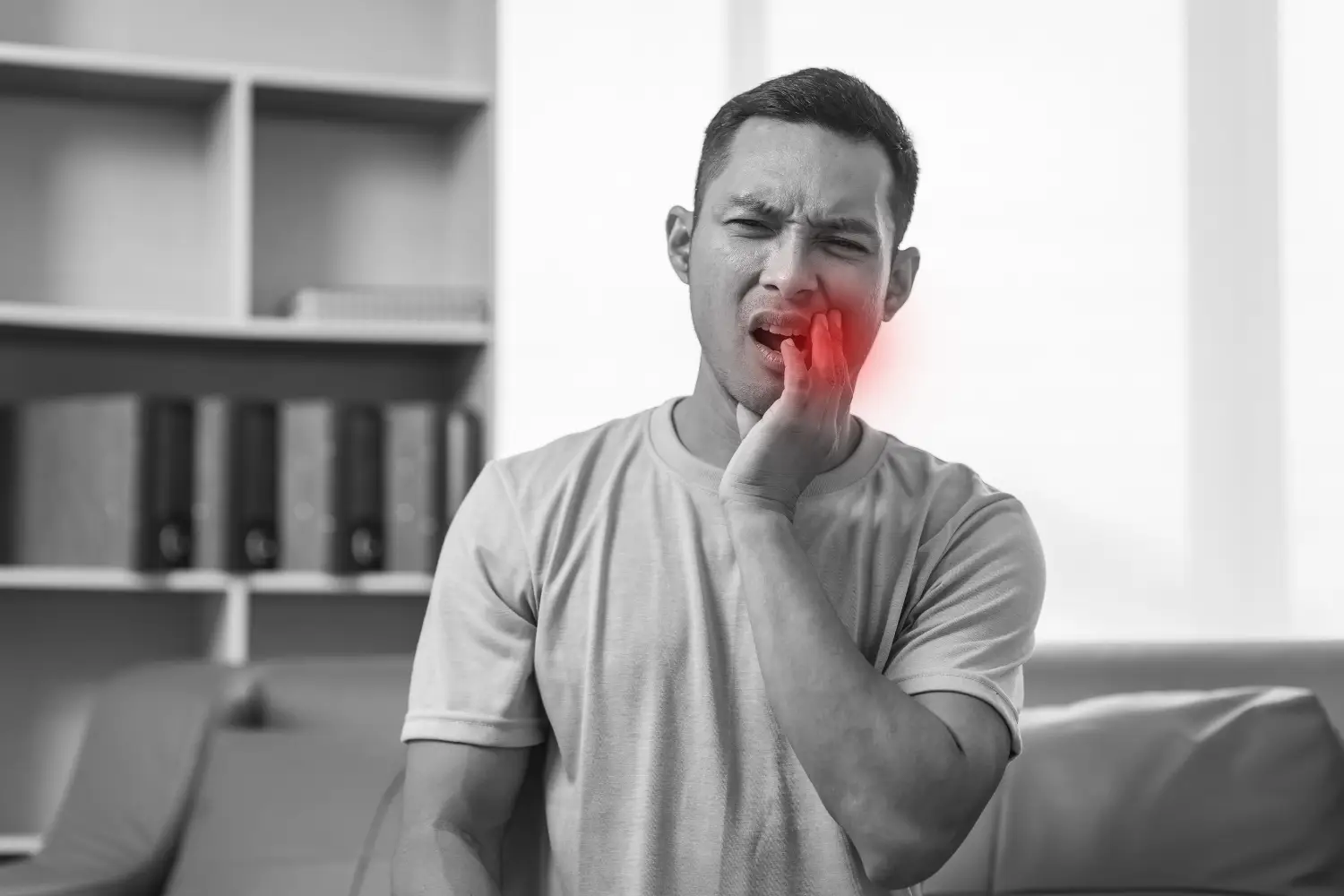
A loose permanent tooth can be concerning, but it does not always mean extraction is necessary. When gum disease is responsible, early treatment may help stabilise the tooth and protect its remaining support.
Understanding how to fix loose teeth from gum disease begins with identifying how much damage has occurred. Periodontitis can destroy the bone and tissues holding teeth in place, causing them to move. While treatment can control inflammation and sometimes improve stability, it cannot always reverse the damage.
What Is the Best Treatment for a Loose Tooth?
The right treatment for a loose tooth depends on its mobility, remaining bone support and underlying cause. Dentists typically assess gum health, measure periodontal pockets and take X-rays before recommending treatment.
Professional Periodontal Cleaning
Removing bacterial plaque and hardened deposits is an important part of managing periodontal disease. Treatment may involve cleaning beneath the gumline, known as subgingival instrumentation, to reduce inflammation and control infection. Patients may also need ongoing periodontal maintenance to prevent further deterioration.
Perfect Smile Dental offers hygienist treatment to support gum health through professional cleaning and personalised oral hygiene advice. More advanced periodontal disease may require additional treatment from a dentist or specialist.
Dental Splinting
Splinting connects a mobile tooth to neighbouring teeth using a suitable dental material. It can help stabilise certain teeth and improve comfort when chewing. However, splinting does not restore lost bone or treat the underlying periodontal disease.
Periodontal Surgery
Where deep periodontal pockets remain after non-surgical treatment, surgery may be considered. Depending on the condition of the supporting tissues, treatment may involve accessing affected root surfaces or attempting to regenerate specific types of periodontal defects. Not every patient requires surgery, and regenerative treatment is not suitable for all forms of bone loss.
How to Tighten a Loose Tooth Fast
There is no clinically proven way to tighten a loose permanent tooth immediately at home. If inflammation is contributing to mobility, professional periodontal treatment may improve stability as the tissues recover. However, results depend on the amount of remaining support. In selected cases, a dentist may recommend temporary splinting to reduce movement while the underlying condition is managed. Avoid repeatedly testing the tooth with your tongue or fingers, as unnecessary pressure may aggravate discomfort.
How to Strengthen Loose Teeth Naturally
People researching how to strengthen loose teeth often look for home remedies. Although good oral hygiene helps protect the gums, it cannot independently replace bone lost through advanced periodontitis. The following measures can support periodontal health:
- Brush twice daily: Use fluoride toothpaste and a soft-bristled toothbrush to remove plaque without excessive pressure.
- Clean between your teeth: Interdental brushes or floss help remove plaque from areas that ordinary brushing cannot reach.
- Avoid smoking: Smoking increases the risk of periodontal disease and can compromise treatment outcomes.
- Reduce pressure on the affected tooth: Avoid hard or chewy foods until a dentist has assessed its stability.
These measures complement professional care rather than replace it.
How to Tighten Gums Around a Loose Tooth
Healthy gums help protect the structures supporting teeth, but tightening the visible gum tissue does not necessarily make a loose tooth stable. When periodontal inflammation is treated, swollen gums may become firmer and healthier. However, the tooth’s stability also depends on the surrounding bone and periodontal ligament. If significant bone loss has occurred, improved gum health may not eliminate movement. The NHS advises that advanced gum disease may require deep cleaning beneath the gums, specialist treatment or, in severe cases, tooth removal.
How to Save a Tooth That Is Loose
The possibility of saving a tooth depends on the extent of periodontal damage and whether the underlying disease can be controlled. A dentist considers several factors:
- The amount of remaining supporting bone.
- The degree of tooth mobility.
- The presence of infection or deep periodontal pockets.
- The condition of the roots and surrounding teeth.
- Whether the tooth remains comfortable and functional.
Some significantly affected teeth can remain functional for years with appropriate treatment and maintenance. However, a severely mobile tooth with extensive bone loss may have a poorer prognosis. To understand which factors affect tooth survival, read our guide to Can I Save a Loose Tooth
How to Stop a Loose Tooth from Falling Out
If a permanent tooth is moving, arrange a dental examination rather than attempting to stabilise it yourself. Avoid chewing directly on the tooth, repeatedly wiggling it or trying to remove it. If the movement develops suddenly following an accident, seek urgent dental attention. Injured teeth may require repositioning or temporary splinting. Prompt treatment is particularly important when mobility is accompanied by swelling, significant pain, or signs of infection. For immediate precautions and advice on protecting a mobile tooth, read What to Do With a Wobbly Tooth.
How to Fix a Loose Implant Tooth
A loose implant restoration differs from a loose natural tooth because dental implants do not have periodontal ligaments. Movement may originate from the attached crown, a connecting screw or the implant fixture itself. A loose crown or screw may be repairable, while movement of the implant fixture can indicate a more serious problem involving the surrounding bone. Never attempt to tighten or glue an implant restoration yourself. A dentist must identify the source of movement and determine whether repair or further treatment is possible.
Can a Loose Tooth Be Fixed Permanently?
A successful loose tooth fix depends on treating the cause rather than simply restricting movement. Some teeth become more stable following periodontal treatment, while others require ongoing maintenance or splinting. If a tooth cannot be saved, extraction may be necessary. Suitable patients may consider dental implants to replace a missing tooth once their gum health has been appropriately managed. Regular dental examinations and periodontal maintenance remain important because previously treated gum disease can recur.
A newly loose permanent tooth should always be assessed by a dentist. Early treatment offers the opportunity to control disease, protect remaining bone support, and establish whether the affected tooth can be maintained.
