


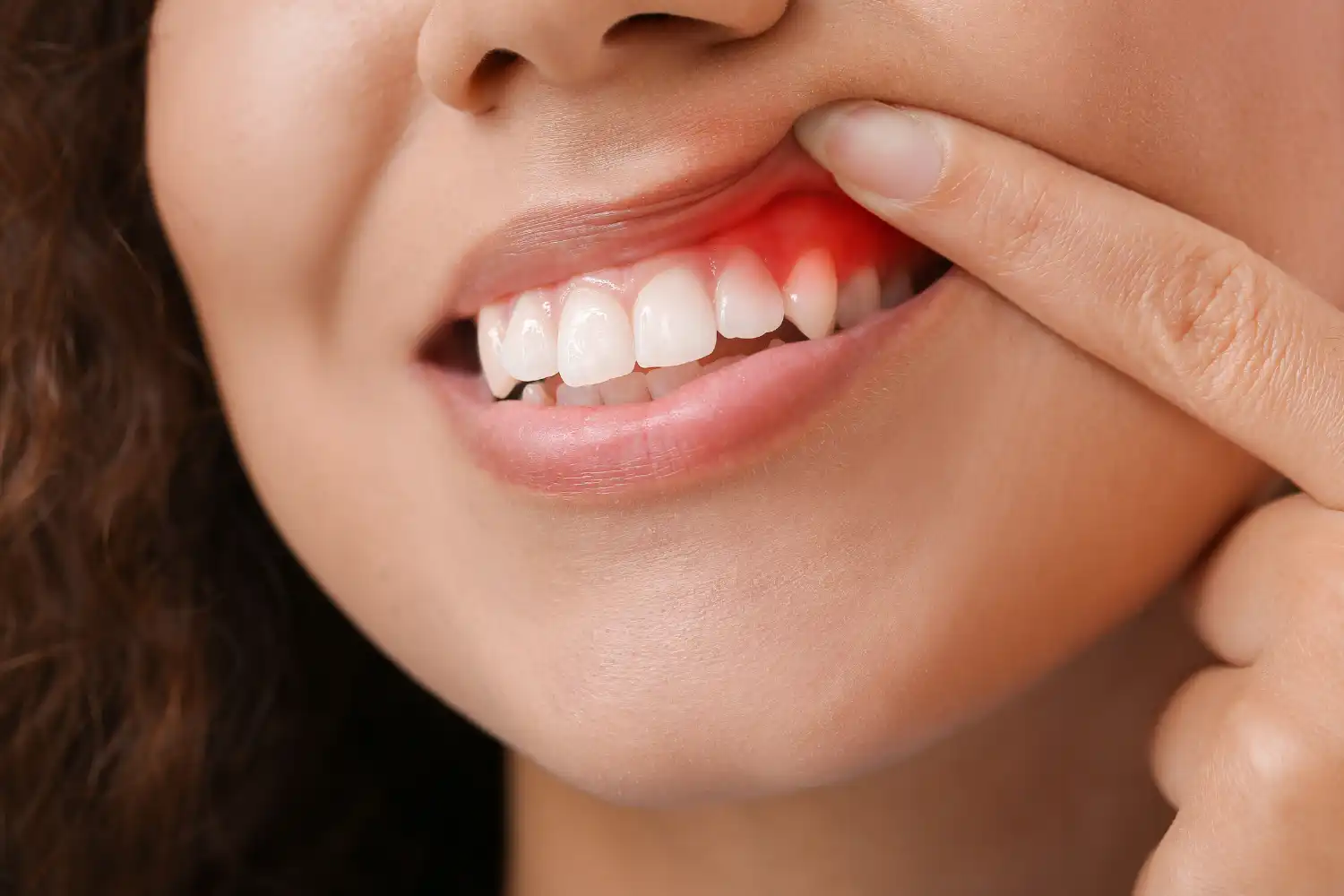
Periodontitis treatment focuses on controlling the infection and inflammation that damage the gums and the supporting structures around the teeth. The most appropriate approach depends on how advanced the disease is, the condition of the supporting bone and the individual factors affecting your oral health.
Periodontitis is a chronic form of gum disease. Unlike early gum inflammation, established periodontitis can affect the tissues and bone that keep the teeth stable. Treatment therefore aims to control the disease, prevent further damage and maintain long-term periodontal health.
What is the Best Treatment for Periodontal Disease?
There is no single best treatment for periodontal disease because treatment depends on the severity and extent of the condition. A dental assessment may examine the health of the gums, the depth of periodontal pockets, the level of supporting bone and the stability of affected teeth. Treatment can then be planned according to the individual’s needs.
For many people, treatment begins with controlling the bacterial deposits responsible for inflammation. This may involve professional cleaning and improvements to daily plaque control. More extensive disease may require treatment below the gum line, specialist periodontal procedures or other interventions. The long-term aim is usually to control and stabilise the condition rather than treat it once and assume it cannot return.
Periodontal Cleaning: The First Stage of Treatment
Periodontal cleaning may be recommended when plaque and hardened deposits have accumulated around or below the gum line. A toothbrush cannot remove tartar once it has hardened onto the teeth. In periodontal disease, deposits can also collect in areas that are difficult to reach through ordinary brushing.
Professional cleaning may involve removing plaque and calculus from the teeth and, where necessary, cleaning below the gum line. The exact treatment depends on the depth of the affected areas and the extent of the disease. Hygienist treatment can support professional plaque removal and help patients develop a daily cleaning routine suited to their individual needs.
What Does Periodontal Therapy Involve?
Periodontal therapy is a broader term covering the professional care used to control periodontal disease. Treatment may involve several stages. Following an initial examination, the focus is generally on reducing bacterial deposits and inflammation. The gums are then reviewed to assess how they have responded. Depending on the condition, further treatment may include:
- Cleaning below the gum line
- Management of periodontal pockets
- More intensive professional periodontal care
- Specialist treatment for persistent disease
- Surgical procedures in selected cases
The aim of periodontal therapy is not simply to improve the appearance of the gums. It is to protect the supporting tissues around the teeth and reduce the risk of further attachment and bone loss.
Periodontal Disease Requires Long-Term Care
Chronic periodontal disease requires ongoing management because periodontitis can become active again when bacterial plaque accumulates. Initial treatment can reduce inflammation and improve the condition of the gums. However, this does not mean that periodontal care necessarily ends once the first stage of treatment is complete.
Long-term management may include regular reviews and professional maintenance appointments based on individual needs. These visits allow dental professionals to monitor the gums and identify changes before significant progression occurs. Effective daily cleaning remains essential between appointments, particularly around areas that are more difficult to keep plaque-free.
Can You Reverse Periodontal Disease?
People searching whether they can reverse periodontal disease should understand the difference between gingivitis and periodontitis. Early gum inflammation, known as gingivitis, can often improve when plaque is removed effectively and oral hygiene improves. Periodontitis is different because it involves damage to the deeper tissues supporting the teeth.
Lost periodontal attachment and supporting bone do not simply return to their original condition through routine brushing or standard cleaning. However, treatment can often control inflammation and stabilise the disease. The goal is therefore to prevent further damage and maintain the healthiest possible condition over the long term.
Advanced Periodontal Disease Treatment
Advanced periodontal disease treatment may be necessary when the disease has caused deeper periodontal pockets, significant loss of supporting bone or changes in tooth stability. The first stage still focuses on controlling bacterial deposits and inflammation. The response to treatment can then help determine whether further procedures are required. Depending on the individual situation, treatment may involve:
- More extensive cleaning below the gums
- Specialist periodontal procedures
- Management of persistent deep pockets
- Treatment for teeth affected by reduced support
- Surgical periodontal treatment in selected cases
Advanced treatment is planned individually. The condition of the gums, bone and individual teeth all influence the most appropriate approach.
Periodontal Care After Initial Treatment
Successful periodontal care continues after the initial treatment phase. Periodontitis can recur or progress when plaque control becomes difficult. Regular maintenance allows the dental team to monitor areas that are more vulnerable to inflammation and provide further professional care when needed.
The appropriate recall interval varies between individuals. People with more advanced disease or additional risk factors may require closer monitoring. Long-term success also depends on daily home care. Brushing thoroughly and cleaning between the teeth can help control the bacterial plaque that contributes to periodontal inflammation.
Gingivitis and Periodontal Disease: Understanding the Difference
Gingivitis and periodontal disease are related but not the same. Gingivitis primarily affects the gum tissue and does not involve the same level of damage to the supporting structures around the teeth. When inflammation progresses to periodontitis, the disease can affect the periodontal ligament and bone.
This distinction is important because the treatment goals differ. Gingivitis may improve with effective plaque removal and better daily cleaning. Established periodontitis requires long-term management to control the disease and protect the remaining supporting structures.
For more information about recognising the condition, see our guide to periodontal disease symptoms.
What Happens When Periodontal Disease Affects a Tooth?
Dental periodontal disease can weaken the support around individual teeth. As periodontal attachment and bone are lost, some teeth may become increasingly difficult to maintain. Treatment planning considers whether the affected tooth can remain stable and whether the surrounding tissues can be kept healthy.
In some cases, periodontal treatment may help retain the tooth. In more severe cases, a tooth with extensive loss of support may eventually need to be removed. If tooth loss occurs, replacement options should be considered only after the remaining periodontal health has been properly assessed. Dental implants may be suitable for some patients replacing missing teeth, although the health of the gums and supporting bone must be carefully evaluated before treatment.
Juvenile Periodontal Disease and Other Forms of Periodontitis
The term juvenile periodontal disease has historically been used to describe aggressive forms of periodontitis affecting younger people. Modern periodontal classifications use more specific approaches to diagnosing and describing the condition. Periodontitis can affect people at different ages and progress at different rates. A younger person with significant periodontal problems may require careful assessment to identify the pattern and possible contributing factors.
Diabetes Periodontitis and Diabetic Dentistry
Diabetes periodontitis is a term sometimes used when discussing periodontal disease in people with diabetes. Diabetes can influence inflammation and healing, which may affect periodontal health and the response to treatment. However, this parent article focuses on the wider treatment of periodontitis. For a detailed explanation of how diabetes and gum disease are connected, see our dedicated guide to diabetes and periodontitis causes.
Diabetic dentistry may involve considering an individual’s wider medical health when planning dental treatment. Good communication between the patient and their healthcare professionals can be important when complex medical conditions influence dental care.
How to Prevent Periodontal Disease From Progressing
It may not always be possible to eliminate every risk factor, but you can take steps to prevent periodontal disease from developing further. This includes:
- Brushing twice daily with fluoride toothpaste
- Cleaning between the teeth every day
- Attending dental examinations and periodontal maintenance appointments
- Avoiding smoking
- Following individual advice on managing relevant health conditions
- Seeking assessment when persistent gum changes develop
Prevention is particularly important after periodontal treatment because controlling plaque over the long term can help reduce the risk of further disease activity.
Periodontitis Treatment Requires Ongoing Management
Periodontitis is a long-term condition that requires more than a single appointment. The best treatment for periodontal disease depends on the severity of the condition, but professional cleaning, appropriate periodontal therapy and consistent long-term maintenance are often central to successful care.
Early treatment can help control inflammation before further supporting tissue is lost. More advanced cases may require additional procedures and closer monitoring. The key aim of periodontitis treatment is to stabilise the condition, protect the gums and supporting structures and help maintain your natural teeth wherever possible.
