


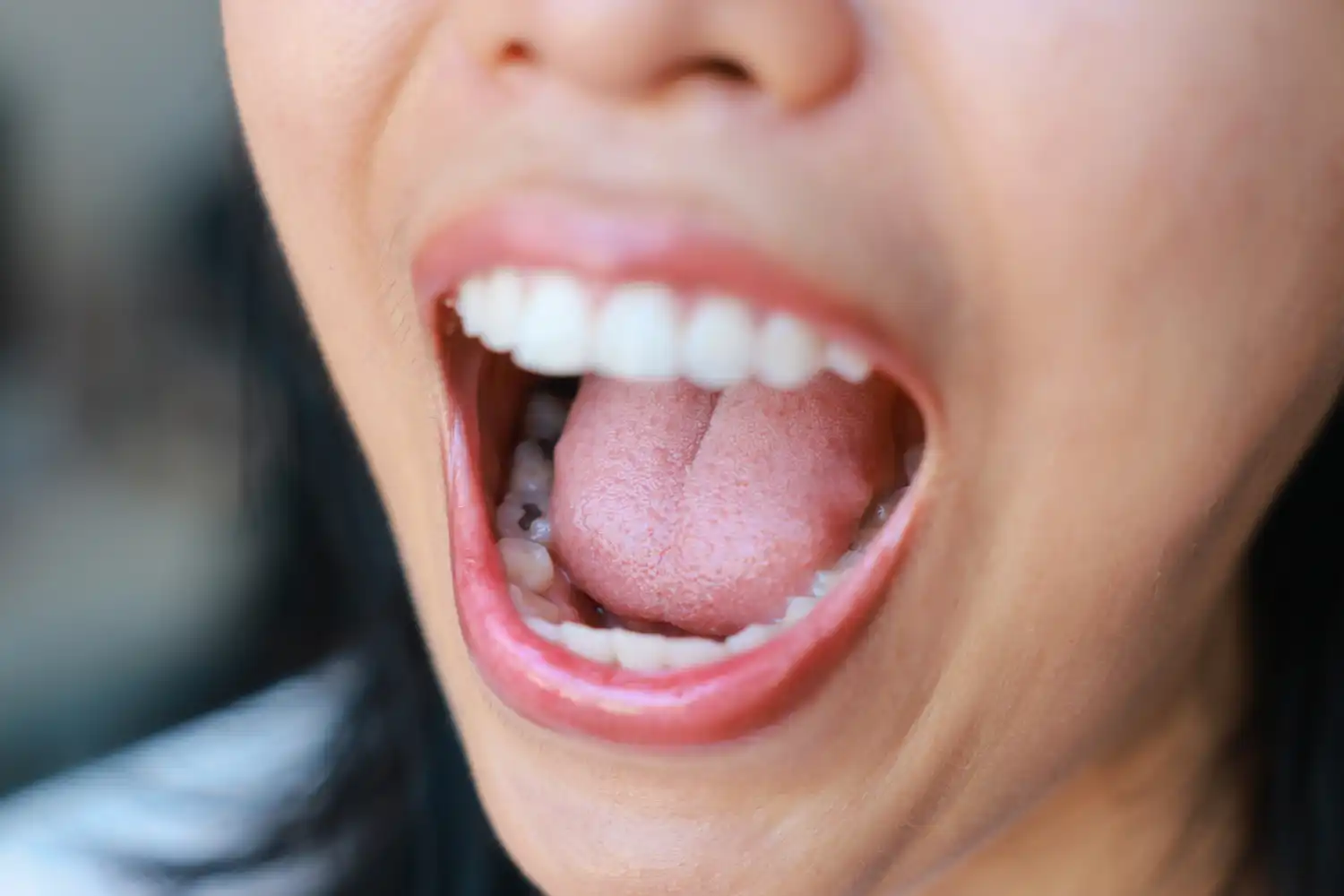
What is dry mouth? Dry mouth, also known as xerostomia, is the feeling that there is not enough saliva in the mouth to keep it comfortably moist. It can happen occasionally, such as when you are nervous or dehydrated, but persistent dry mouth can affect eating, speaking, swallowing and oral health.
Saliva does much more than simply keep the mouth wet. It helps break down food, makes chewing and swallowing easier, washes away food particles and provides important protection for the teeth and oral tissues. When saliva production is reduced, these natural protective functions can be affected.
What Does Dry Mouth Mean?
If you are wondering what does dry mouth mean, the simplest answer is that your mouth feels dry because there is not enough saliva available to keep the oral tissues properly moist.
However, dry mouth can be more complex than simply having a low saliva flow. Xerostomia describes the sensation of oral dryness, while reduced saliva production can be measured separately. Some people may experience a strong dry mouth sensation even when saliva production has not stopped completely.
What is Xerostomia?
Xerostomia is the medical term commonly used to describe dry mouth. The condition can range from occasional mild dryness to persistent discomfort that interferes with normal daily activities. Some people may only notice their mouth feels dry after waking up or during periods of stress. Others may experience a constant dry mouth throughout the day.
Why is Saliva So Important?
Understanding saliva helps explain why dry mouth can affect oral health. Saliva helps to:
- Moisten food during chewing
- Make swallowing easier
- Support clear speech
- Wash food particles away from the teeth and gums
- Help neutralise acids in the mouth
- Protect the teeth against decay
- Support the health of the soft tissues
Saliva also contains substances that contribute to the mouth’s natural defence against microorganisms. When there is less saliva, food debris and bacteria may remain in the mouth for longer. This is one reason persistent dry mouth can increase the risk of dental problems over time.
How Does Dry Mouth Feel?
A dry mouth sensation can feel different from person to person. Some people describe a sticky feeling in the mouth. Others feel as though their tongue is sticking to the roof of their mouth, or that their mouth never feels properly moist. You may notice:
- A dry or sticky feeling in the mouth
- Thick or stringy saliva
- A dry throat
- Difficulty chewing
- Difficulty swallowing
- Difficulty speaking clearly
- Changes in taste
- A burning sensation in the mouth
- Dry or cracked lips
- A rough or dry tongue
These symptoms can vary depending on the degree of dryness.
Can Your Mouth Feel Dry Without Being Completely Dry?
Yes. A person does not need to have a complete absence of saliva to experience dry mouth. Even a reduction in saliva can create noticeable discomfort. This distinction is important because xerostomia refers to the subjective feeling of dryness. The sensation may not always correspond exactly to the amount of saliva measured in the mouth. For example, saliva may still be produced, but its flow or consistency may have changed enough for the mouth to feel uncomfortable.
Is Dry Mouth the Same as Dehydration?
Not necessarily. Dry mouth dehydration is a common association because dehydration can make the mouth feel dry. However, dehydration is only one possible reason for oral dryness. A person may experience dry mouth while adequately hydrated if saliva production has been affected by another factor. For this reason, drinking more water may relieve temporary dryness caused by thirst or dehydration but may not resolve persistent xerostomia. The detailed reasons why dry mouth develops are covered separately in our guide to dry mouth causes.
What Happens When Your Mouth Does Not Have Enough Saliva?
When saliva levels are reduced for a prolonged period, everyday activities can become more difficult. Chewing dry foods may require more effort. Swallowing can feel uncomfortable because there is less moisture to help move food through the mouth and throat. Some people may also notice difficulty speaking for extended periods because the mouth and tongue feel dry or sticky.
Dry Mouth and Your Teeth
One of the most important functions of saliva is protecting the teeth. Saliva helps clear sugars and food particles from the mouth and contributes to neutralising acids. It also contains minerals that help support the tooth surface.
When saliva production is reduced, the risk of dental decay can increase. This is particularly important for people with persistent rather than occasional dryness. Hygienist treatment can support patients whose oral health is affected by chronic dry mouth by helping remove plaque and monitor areas that may become more vulnerable to dental problems.
Is Extreme Dry Mouth Different From Occasional Dryness?
The difference is usually related to severity, frequency and the effect on daily life. An occasional dry mouth after sleeping with your mouth open or during a stressful situation may improve quickly.
Extreme dry mouth, however, may involve persistent discomfort and significant difficulty with eating, speaking or swallowing. Some people may feel that their mouth is so dry that drinking water provides only temporary relief. Persistent or severe dryness is worth investigating because it may affect oral health and quality of life.
Is Dry Mouth Syndrome a Medical Diagnosis?
The phrase dry mouth syndrome is sometimes used informally to describe persistent oral dryness, but xerostomia is the more commonly used medical term. Dry mouth itself is generally considered a symptom rather than a single disease. Its underlying cause can vary considerably from one person to another. This is why there is no single explanation for every case of persistent dry mouth. A proper assessment may consider symptoms, medical history and medication use.
When Does Dry Mouth Become an Oral Health Concern?
Occasional dryness is common and may not require professional treatment. However, persistent dryness can affect the teeth and soft tissues of the mouth. When the protective functions of saliva are reduced over a long period, the risk of tooth decay and certain oral infections can increase.
Tooth decay treatment may be needed when chronic dry mouth has contributed to cavities or other damage to the teeth. However, addressing the dental problem alone does not necessarily resolve the underlying dryness.
Understanding What Dry Mouth Is
So, what is dry mouth? It is a condition in which the mouth feels dry because there is insufficient saliva to keep the oral tissues comfortably moist. Dry mouth can be occasional or persistent, mild or severe. It can affect comfort, speaking, chewing and swallowing while also reducing some of the natural protection saliva provides for the teeth and mouth.
