


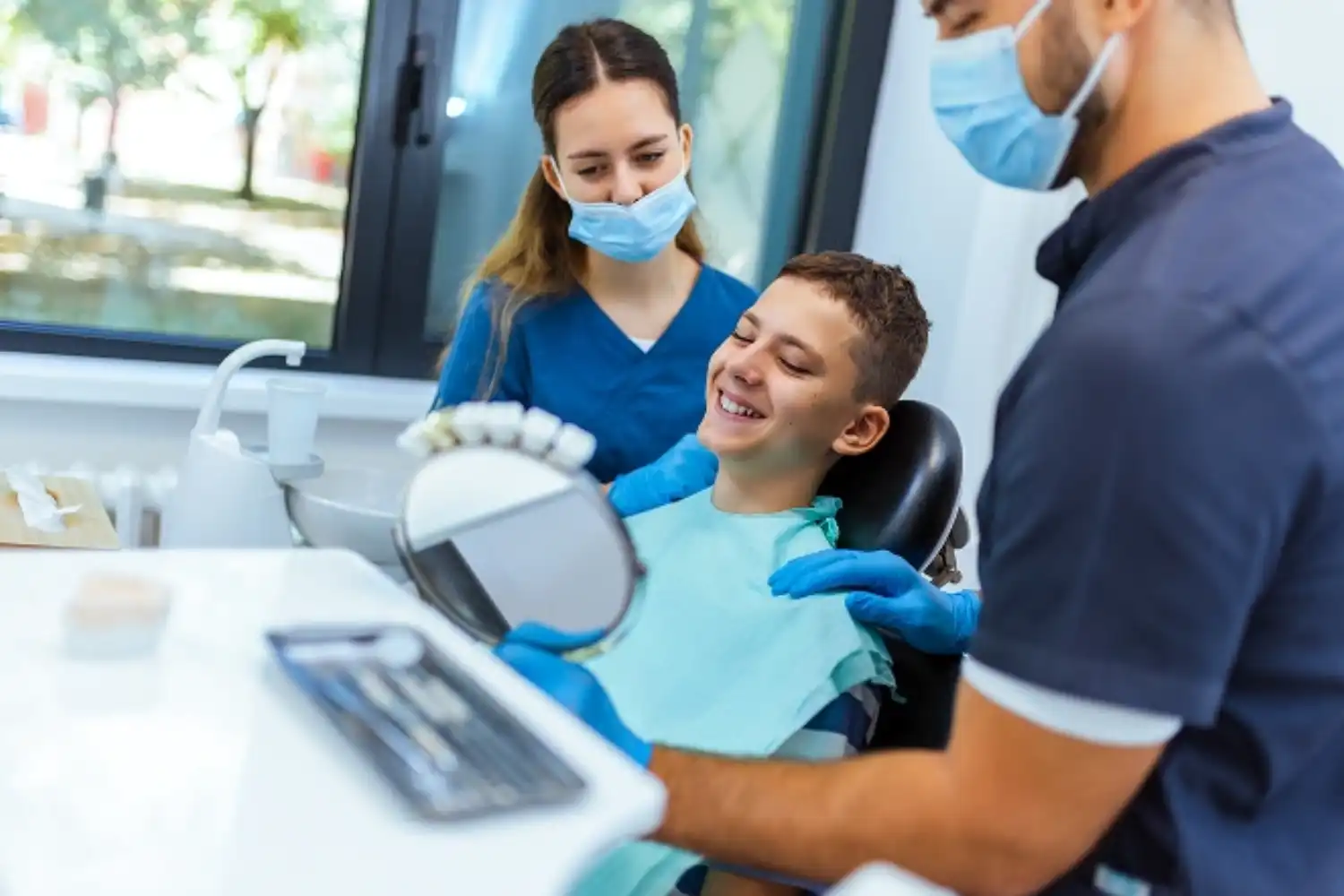
A tooth breaks, and the first few minutes can be confusing. You may be holding a piece of tooth in your hand. The broken edge may feel sharp against your tongue. There may be pain, bleeding or no discomfort at all. Knowing what to do for a broken tooth can help protect the remaining tooth while you arrange dental care.
Find the Broken Piece of Tooth
If you can find the piece that has broken off, keep it. The NHS advises storing the fragment in milk or saliva and taking it with you to the dentist. In some cases, it may be possible to reattach the broken piece. Do not worry if you cannot find it. A dentist can still assess the tooth and discuss how the missing section may be restored.
Rinse Your Mouth Gently
After a tooth breaks, gently rinse your mouth with water to remove any loose debris. This can also make it easier to see whether there is bleeding or another injury to the surrounding gums, lips or cheeks. Avoid repeatedly touching the broken area with your fingers or tongue. It may be tempting to keep checking the damage, particularly when the edge feels unusual, but this can irritate the area further.
What to Do if the Broken Tooth Has a Sharp Edge
A sharp broken tooth can irritate or cut your tongue, cheek or lip. Try to avoid chewing on that side of your mouth until you can see a dentist. Do not attempt to file, cut or reshape the tooth yourself.
Even if the sharp edge seems like the main problem, the break may extend deeper into the tooth than is visible. A dentist can safely assess the damage and determine whether the tooth needs smoothing, rebuilding or another form of treatment.
Protect the Tooth While You Wait
A broken tooth may become more sensitive when exposed to pressure or temperature changes. Until your appointment, it can help to:
- Eat softer foods
- Avoid biting directly on the affected tooth
- Avoid very hot or cold food if this triggers sensitivity
- Avoid hard foods that could cause further damage
These measures are intended to reduce irritation while you wait. They do not repair the fracture itself. For more information about why a fractured tooth can become uncomfortable, see our guide to broken tooth pain.
What If My Broken Tooth is Bleeding?
A small amount of bleeding can occur when the injury also affects the gums, lips or other soft tissues. Apply gentle pressure to the area with clean gauze or a clean cloth if appropriate. If the bleeding is heavy or will not stop, urgent medical assessment may be necessary.
A broken tooth following a significant impact can involve more than the visible fracture, so facial injuries should also be assessed appropriately. If you are unsure how serious the damage may be, our guide to broken tooth symptoms explains the signs that can accompany different types of tooth fractures.
What Will a Dentist Do for a Broken Tooth?
The dentist will first examine the tooth and assess the extent of the damage. Treatment may involve:
- Reattaching the broken fragment in suitable cases
- Rebuilding the tooth with a filling material
- Protecting the tooth with a crown
- Treating damage inside the tooth where necessary
Treatment may involve rebuilding a smaller damaged area with composite bonding, protecting a significantly weakened tooth with a dental crown or treating damage inside the tooth withroot canal treatment where necessary.
Should I Try to Fix a Broken Tooth at Home?
No. Home remedies may temporarily make the tooth feel more comfortable, but they cannot properly assess or repair the fracture. Avoid trying to:
- Glue the tooth yourself
- File down the broken edge
- Pull out loose pieces of tooth
- Ignore a large fracture because it is not painful
Some temporary dental repair materials are available, but they are not a substitute for professional assessment.
When Should You See a Dentist?
The NHS advises seeing a dentist if you have chipped, cracked or broken a tooth. How quickly you need care depends on the injury and your symptoms. Seek urgent dental advice if you have severe pain, significant swelling, or a dental injury that is affecting your ability to function normally. If severe swelling makes it difficult to breathe or swallow, seek emergency medical help immediately.
What if an Adult Tooth Has Been Knocked Out?
A knocked-out tooth is different from a broken tooth and requires immediate action. For an adult permanent tooth, hold it by the crown rather than the root. If it is dirty, rinse it gently and, if possible, place it back into the socket. If this is not possible, store it in milk or saliva and seek emergency dental care as soon as possible. Never try to put a knocked-out baby tooth back into the socket.
The First Step is to Protect What Remains
What can be done for a broken tooth? The answer depends on the extent of the damage. Some teeth can be repaired with a restoration, while others may need greater protection or more extensive treatment if the deeper structures have been affected.
Until you see a dentist, keep any broken fragment, avoid chewing on the affected side and do not attempt a DIY repair. A professional assessment can determine the most appropriate way to restore or protect the remaining tooth.
