



A broken tooth can happen suddenly or develop over time. You may bite down and feel part of the tooth break away, notice a sharp broken tooth while eating or wake up thinking, “My tooth is broken. What happens now?”
The treatment depends on what has actually happened to the tooth. A small chipped edge, a broken front tooth, a heavily damaged broken molar tooth and a tooth fractured near the gum line can all require different approaches.
Broken teeth treatment is therefore not a single procedure. The aim is to assess the extent of the damage, preserve the natural tooth where possible and choose a restoration that can function reliably. Depending on the fracture, treatment may involve smoothing the edge, rebuilding the tooth, protecting it with a crown, treating the pulp or removing the tooth when restoration is not possible.
What Are the Options for a Broken Tooth?
Before deciding how to treat the damage, a dentist needs to establish how much of the tooth remains and whether the fracture extends beneath the visible surface. The main options for a broken tooth can include:
- Smoothing a small sharp or rough edge
- Reattaching a broken fragment in suitable cases
- Rebuilding the tooth with restorative material
- Repairing and protecting the tooth with a crown
- Root canal treatment when the pulp has been damaged
- Extracting a broken tooth that cannot be restored predictably
The appearance of the fracture is only part of the assessment. A large visible break can sometimes be restored, while a smaller fracture extending deeply into the tooth or root may present a more serious problem.
For immediate advice after an injury, read our guide to what to do for a broken tooth.
Repairing a Broken Tooth With a Small Restoration
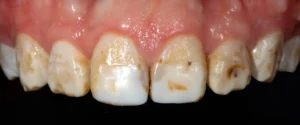
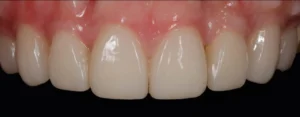
Repairing a broken tooth may be relatively straightforward when the damage is limited and enough healthy structure remains. A dentist may smooth a rough edge or rebuild the missing area using a suitable restorative material. This can restore the shape of the tooth and remove an edge that is irritating the tongue, cheek or lip.
For visible damage, particularly on suitable front teeth, composite bonding may be considered to rebuild the missing section. The objective is not simply cosmetic. The restoration must also work properly when you bite and avoid placing unnecessary pressure on the remaining tooth.
Broken Front Teeth Treatment
Front teeth are visible when you smile and speak, but they also experience considerable pressure when biting into food. A small break may be rebuilt conservatively, while more extensive damage may require additional protection.
A broken front tooth can sometimes look worse than it actually is. Conversely, a relatively small fracture may extend deeper than expected. The dentist will assess the amount of remaining structure, the health of the pulp and how the tooth meets the opposing teeth before recommending treatment. Where appropriate, restorative options may include composite bonding or a more extensive restoration.
Once the dentist has assessed the tooth and recommended treatment, our broken teeth repair cost guide can help explain the factors that influence the overall cost.
Repairing a Broken Molar
This can present a different challenge because molars absorb substantial chewing forces. If only a limited section has broken away, rebuilding the damaged area may be possible. However, a heavily damaged tooth may need more than a simple restoration to withstand repeated pressure. A broken molar tooth should therefore be assessed for:
- The amount of healthy tooth remaining
- The depth of the fracture
- Existing fillings or decay
- Cracks extending through the tooth
- Whether the pulp has been affected
When the back of a tooth broke off, it may still be possible to restore the remaining structure. The correct treatment depends on the individual fracture rather than simply which part of the tooth is missing.
What About a Rotten Broken Molar?
A rotten broken molar can involve both structural damage and tooth decay. Decay may weaken the tooth from within, meaning the visible break represents only part of the problem. The dentist needs to remove or assess the damaged tissue and determine whether enough healthy tooth remains for a reliable restoration.
In some cases, the tooth can be treated and rebuilt. If decay or the fracture has caused significant damage to the pulp, treatment inside the tooth may also be required before restoration. When the remaining tooth cannot provide a predictable foundation for repair, extraction may need to be considered.
When Does a Broken Tooth Need a Crown?
A crown may be considered when a tooth has lost enough structure that a smaller restoration is unlikely to provide sufficient long-term protection. Dental crowns cover the remaining tooth and can restore its shape and function. They may be suitable for a damaged tooth where sufficient structure remains to support the restoration. A crown is not automatically the answer to every severe fracture. The dentist must first establish whether the tooth and root can be restored successfully.

What if the Break Reaches the Nerve?
Inside the tooth is the pulp, which contains nerves and blood vessels. A deep fracture can expose, damage or eventually lead to infection within this tissue. In suitable cases, root canal treatment can remove infection or damaged pulp from inside the tooth. The tooth is then cleaned, sealed and restored according to how much healthy structure remains.
This is why a broken tooth should not be judged purely by pain. Some fractures are initially painless, while others cause immediate sensitivity or toothache. For more information about these, see broken tooth symptoms.
My Tooth Broke in Half. Can It Be Saved?
Seeing that half a tooth has broken off can be alarming. You may feel that half a tooth is missing, or think your tooth broke in half completely. The visible damage does not always determine whether the tooth can be saved.
A tooth that appears to be significantly broken may still have a healthy root and enough remaining structure for restoration. However, a tooth split in half by a fracture extending deeply below the gum line can be much more difficult to treat predictably. The dentist will examine the direction and depth of the fracture before deciding whether repair is possible.
What if a Tooth is Broken at the Gum Line?
When a tooth is broken at the gum line, there may be very little visible structure left above the gum. A situation where a tooth is broken off at the gum line requires careful assessment because the dentist needs to determine whether enough healthy tooth remains to support a restoration. The condition of the root and the position of the fracture are equally important. Some teeth can still be restored through carefully planned treatment. Others may have damage that extends too deeply for a predictable repair.
Can a Broken Wisdom Tooth Be Repaired?
A broken wisdom tooth is assessed differently from other teeth. Its position can make restoration more difficult, particularly if access is limited or the tooth is difficult to keep clean. The dentist will consider the extent of the fracture, the condition of the tooth and whether it has a useful long-term role. If the wisdom tooth is healthy enough to restore and treatment is practical, repair may be possible. In other cases, removal may offer the more appropriate solution.
When is Broken Tooth Removal Necessary?
Dentists generally aim to preserve natural teeth where this is clinically appropriate. However, broken tooth removal may be necessary when the damage is too extensive for reliable restoration. Extracting a broken tooth may be considered when:
- The tooth cannot support a restoration
- The fracture extends too deeply
- The root has been severely damaged
- Decay has destroyed too much of the remaining tooth
- The long-term outlook for the tooth is poor
A tooth that looks severely damaged is not automatically beyond repair. Equally, a smaller fracture can sometimes make restoration impossible. The decision requires an individual clinical assessment.
Broken Tooth Replacement After Extraction
If a tooth cannot be saved, broken tooth replacement may be discussed after extraction. Not every missing tooth requires the same replacement approach. The best option depends on which tooth has been lost, the surrounding teeth, the condition of the jaw and your individual needs. Possible replacement options may include a bridge, denture or dental implant. A dentist can explain whether replacing the tooth is necessary and which option is appropriate for your situation.
What Should You Do With a Sharp Broken Tooth?
A sharp broken tooth can cut or irritate your tongue, cheek or lip. Do not attempt to file, reshape or glue the tooth yourself. A dentist can smooth a rough edge or provide temporary or permanent treatment depending on the extent of the damage. Professional guidance also recognises that sharp fractured edges can injure surrounding soft tissues. Until you are assessed, avoid chewing directly on the affected tooth.
What Treatment Will You Need?
There is no single answer to broken teeth treatment because two apparently similar fractures can require completely different care. A small broken area may need a simple restoration. A damaged front tooth may need a carefully shaped aesthetic repair. A weakened molar may require greater protection. A deep fracture may need root canal treatment before restoration, while an unrestorable tooth may require extraction.
The most important step is understanding the extent of the damage. If you have recently damaged a tooth, particularly after trauma or if you are experiencing pain, swelling or increasing sensitivity, arranging a dental assessment promptly can help determine the most appropriate treatment.
