Tr

Subperiosteal Dental Implants Severe Bone Loss Solution

If you’ve been told you don’t have enough bone for traditional implants, subperiosteal dental implants offer an alternative way to restore your teeth without bone grafting.

0% INTEREST-FREE FINANCE AVAILABLE

Procedure Overview

Treatment Duration
Procedure Time
2 to 4 months
Recovery Time
Instant
A week of moderate tissue healing
Implant
500+
Subperiosteal Implants Placed

Across our network of 28 clinics

About What Are Subperiosteal Dental Implants

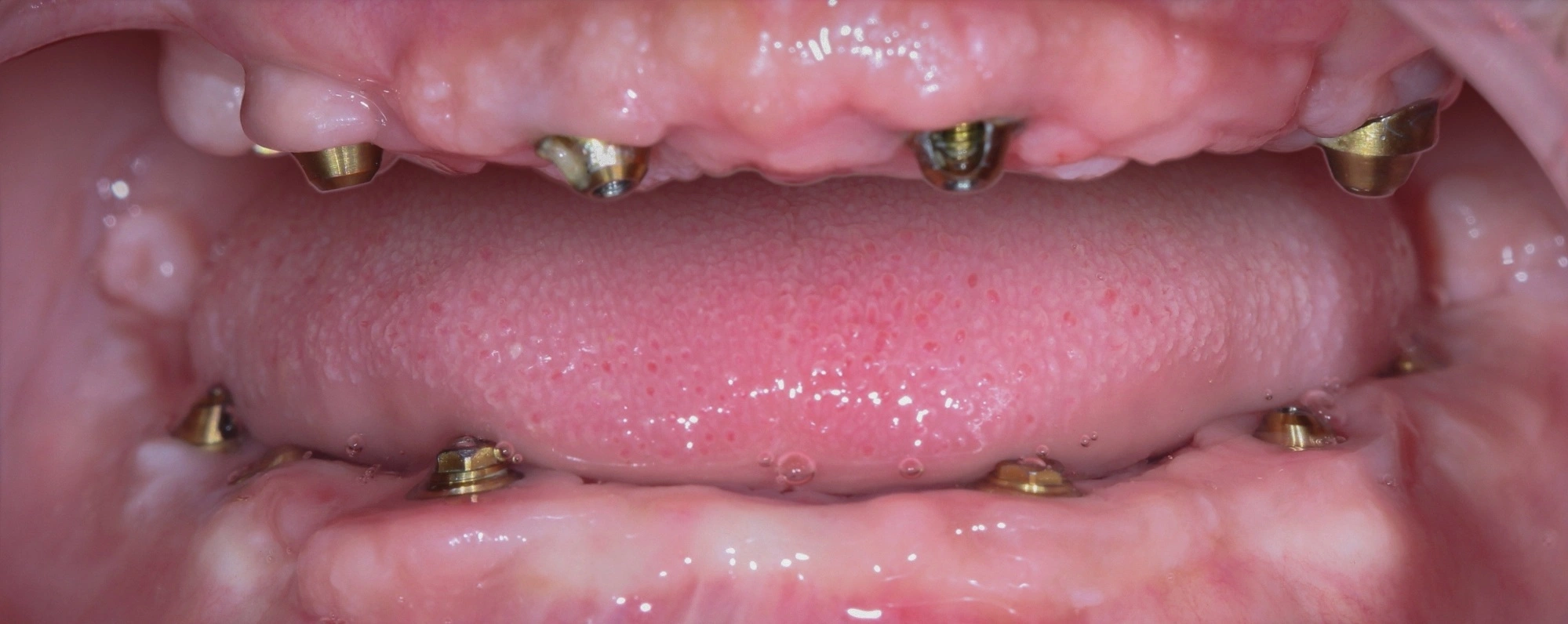
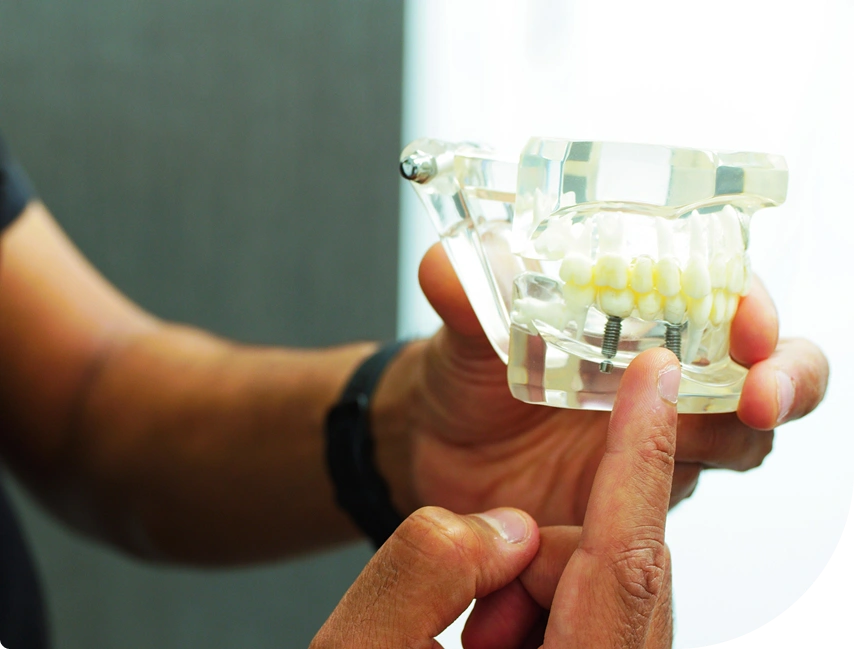
Subperiosteal dental implants are a different type of implant used when there is not enough bone in the jaw to support traditional implants. Instead of placing screws into the bone, a subperiosteal implant rests on the jawbone but beneath the gums. In simple terms:

  • Traditional implants go into bone.
  • Subperiosteal implants sit on the bone


This makes them useful for patients who are told they are not candidates for standard implants, and you get strong, non-removable teeth without needing deep bone density.

Contact Our Team
Implants 1 Implants2 1

Implant Expertise Custom Oral Surgery

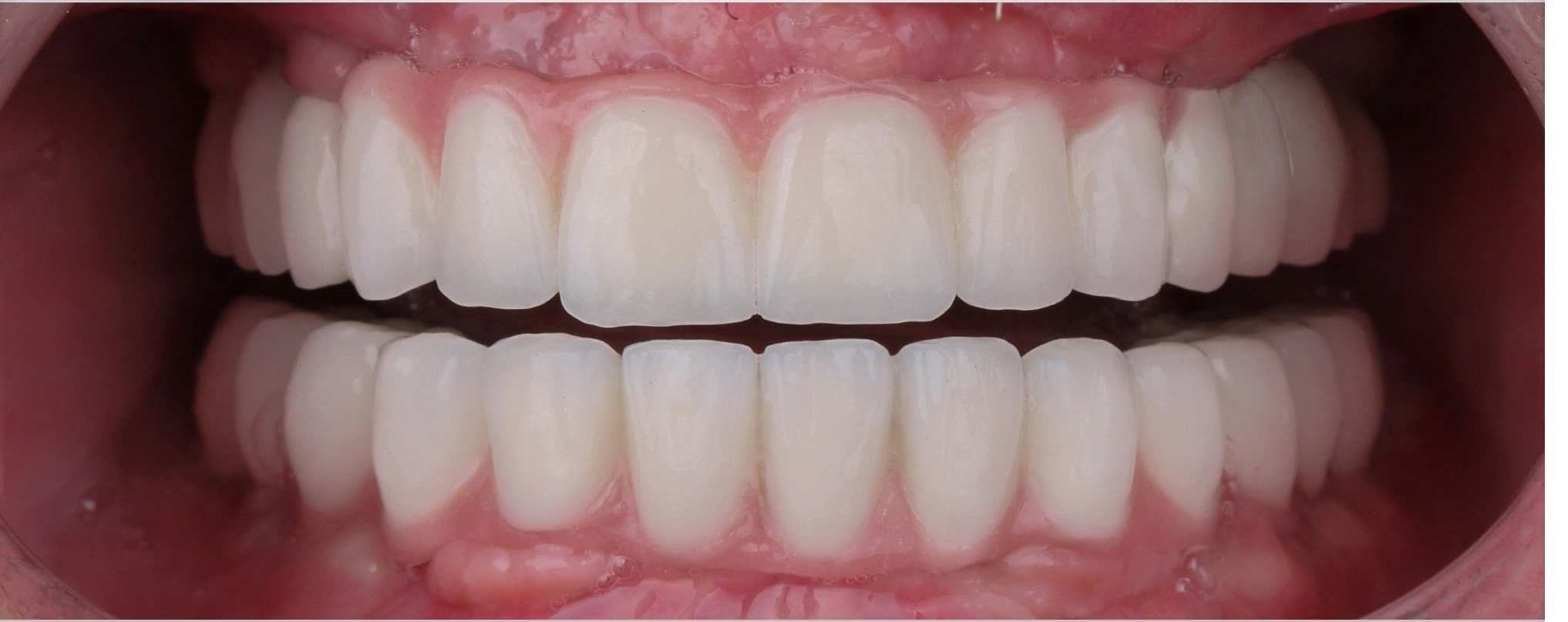
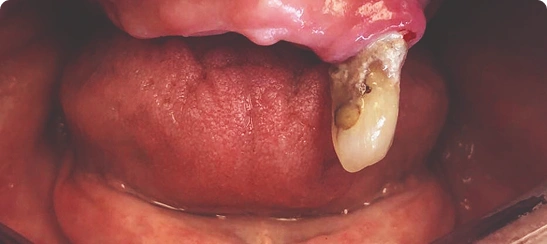
Most patients with severe bone loss require subperiosteal dental implants. Because the implant sits on top of the bone, it eliminates bone graft in many cases. Each implant is custom-designed to match the exact shape of your jaw, ensuring it fits securely under the gum and supports your new teeth properly. This approach allows patients who were previously told “you can’t have implants” to access a fixed tooth replacement solution.

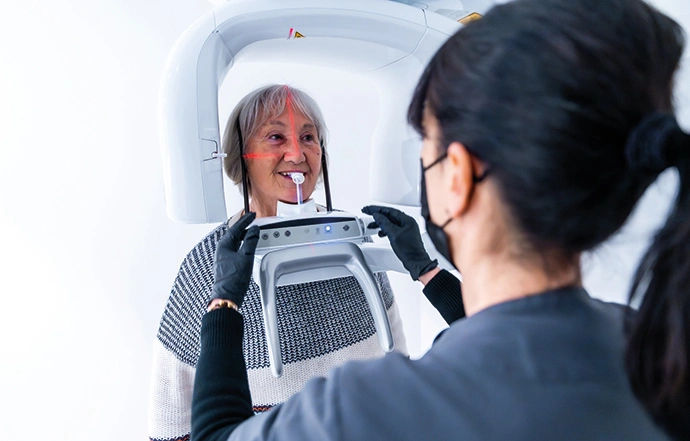
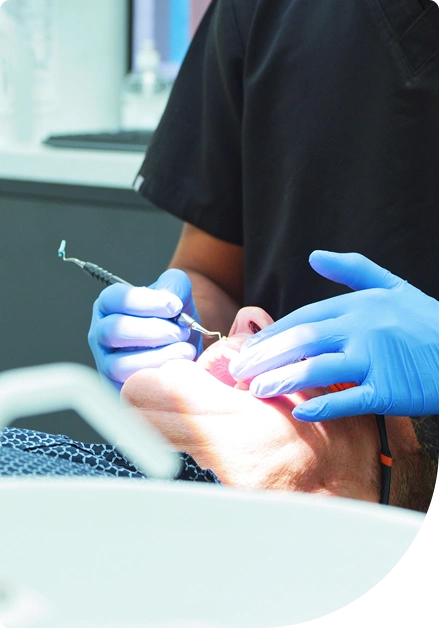
Our dental surgeons take detailed 3D CBCT scans of your skull. We send these exact measurements to a specialist laboratory where your titanium frame is laser-sintered to your anatomical ridges. We then gently lift the gum tissue, place the custom framework against the bone, and suture the gums closed. This live gum tissue grows around the metal and holds the entire structure in place during heavy daily chewing.
Proven Subperiosteal Implant Expertise

Hundreds of subperiosteal dental implants have been planned and delivered, supporting patients with advanced bone loss who are not suitable for traditional implant methods. Our approach focuses on careful assessment, precise design, and predictable outcomes, helping patients regain function and confidence without the need for extensive bone grafting procedures.

Rectangle 4938
Fareed Khan
Fareed Khan

GDC: 70723

View profile
Jessica Baxter-Brown

GDC: 290094

View profile
Gavin Lawrence
Gavin Lawrence

GDC: 244750

View profile
Shahrzad Jeffery
Shahrzad Jeffery

GDC: 193046

View profile
Martin Stewart
Martin Stewart

GDC:193034

View profile
Eric Battista
Eric Battista

GDC: 249546

View profile
Rujuta Deshpande
Rujuta Deshpande

GDC: 174999

View profile
Nathalia Jordao
Nathalia Jordao

GDC: 287176

View profile
Ioannis Gonianakis
Ioannis Gonianakis

GDC: 240429

View profile
Mohammed Al-Nuaimi
Mohammed Al-Nuaimi

GDC: 274879

View profile
Mahmoud Samaha
Mahmoud Samaha

GDC: 276804

View profile
Suneil Amin
Suneil Amin

GDC: 177837

View profile
Faisal Satter
Faisal Satter

GDC: 100061

View profile

Treatment Planning Understanding Your Options

Patients exploring subperiosteal dental implants are often those who have been told traditional implants may not be possible. Because this is a highly customised solution, treatment planning is more detailed and case-specific.

What Determines Suitability

The use of a subperiosteal implant depends on:

  • The level of bone loss in the jaw
  • Overall gum health
  • Medical history and healing capacity

Why Planning Matters

Each framework is individually designed to fit your jaw shape. This means careful assessment is required before confirming whether this approach is suitable. A full consultation allows our clinicians to explore all available options and recommend the safest and most effective treatment for your condition.

Payment Options

You can spread the cost of your implant treatment with 0% interest-free finance for up to 12 months. If you prefer lower monthly payments, extended plans of up to 5 years are also available at a low interest rate. Monthly payments will vary depending on your treatment plan and finance option, with all details explained clearly during your consultation.

Finance Calculator
Rectangle 4939

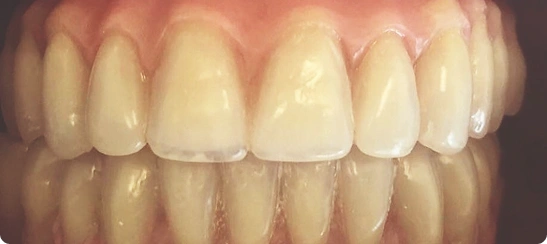
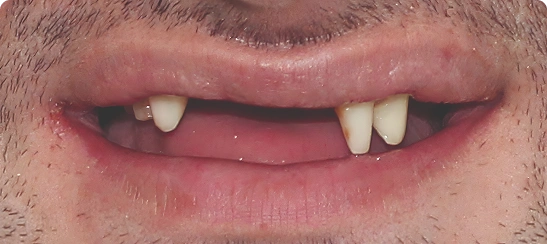
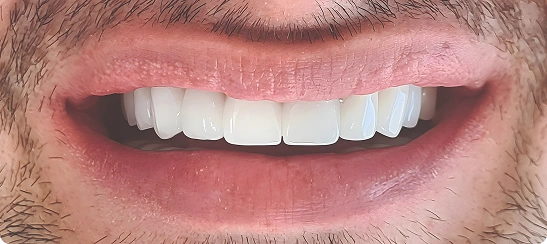
Before and After See the Difference

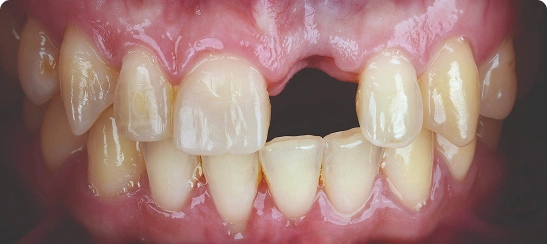
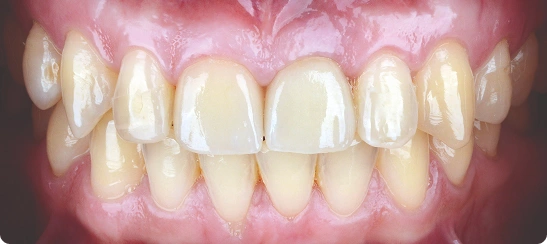
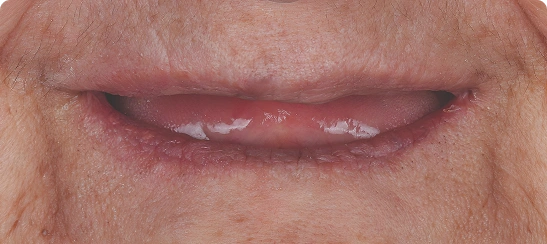
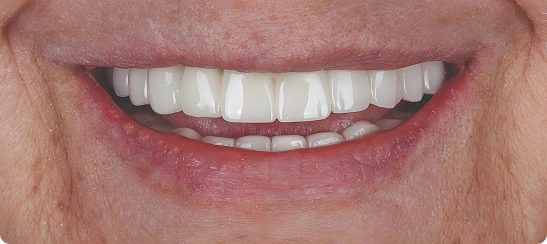
 before  after
 before  after
 before  after
 before  after
 before  after

Real Smiles True Implant Stories

"My teeth look incredible! Confidence is sky high, I’m able to smile again in public and can’t thank the implantologist enough at Perfect Smile. For anyone considering implants, these are the go to people!"

– Sarah, Acton
★ ★ ★ ★ ★

"Had my implants at Perfect Smile... one of my better decisions! Although apprehensive to start, I was soon made comfortable and treated as an individual at every step of the procedures. The aftercare service was impeccable."

– Jim, Chester
★ ★ ★ ★ ★

"I would highly recommend Perfect Smile Dental Practice in Vicars Cross. I had my Dental Implants done by Shahrzad and her team and I am totally delighted with the end result. It has given me back my confidence. The whole experience was pain free and Shahrzad and her Team were lovely at every visit and put me totally at ease. It has changed my life for the better."

– Jacqueline Roddy, Chester
★ ★ ★ ★ ★
White curve

Subperiosteal Implant Timeline What to Expect

This treatment relies heavily on soft tissue healing rather than deep bone fusion. The overall timeline is frequently much shorter than traditional bone grafting protocols.

Immediately after surgery
You may experience swelling and mild discomfort as your gums begin to heal around the implant framework. This is a normal part of the process.

Early Healing Phase (2–3 Weeks)
The gum tissue gradually settles and adapts around the implant. During this time, care is taken to protect the area while healing progresses.

Stabilisation Phase
As healing continues, the implant becomes securely supported by the surrounding tissue structure, allowing for reliable function.

Final Restoration
Once healing is complete, your final teeth are fitted, providing a stable and natural-looking result.

Why Choose Perfect Smile for Implants

  • Over 20K+ implants placed
  • Established in 2004
  • Free initial implant consultations*
  • Flexible 0% finance plans
  • 50 new cases weekly
  • Multiple specialist UK locations

Benefits of Subperiosteal Dental Implants

  • Suitable for patients with significant bone loss
  • May reduce the need for bone grafting procedures
  • Custom-designed to fit your jaw structure
  • Provides a fixed solution when standard implants are not possible
  • Offers an alternative path to tooth replacement
Photo 1489278353717 f64c6ee8a4d2 8

How Subperiosteal Implants Work Your Steps To Restored Teeth

Step 1
Fi 15756405

Initial Consultation

Assess your bone condition and determine if subperiosteal dental implants are suitable.

Consultation DI
Step 2
Fi 9249756

Advanced Imaging

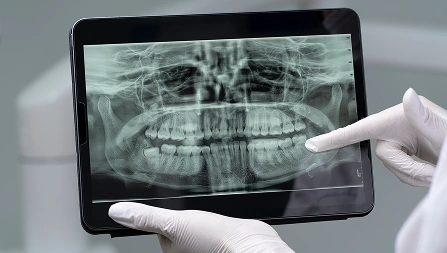
Capture detailed scans to design a custom implant framework.

Step 2
Step 3
Fi 1971503

Treatment Planning

Create a personalised plan based on your jaw structure and needs.

Implant Placement DI
Step 4
Fi 5914941

Implant Placement

Position the subperiosteal implant under the gum and on top of the bone.

Temporary Teeth DI
Step 5
Fi 2441072

Healing Phase

Allow the gums to heal and stabilise around the implant.

Healing DI
Step 6
Fi 18076420

Final Teeth Placement

Attach a fixed restoration to complete your new smile.

Final Fitting DI

What’s happening at perfect smile...

@perfectsmilegroup Follow us on instagram

Frequently Asked Questions

Mask Group 5

Subperiosteal dental implants are placed on top of the jawbone but beneath the gum, rather than inside the bone like traditional implants. A custom-made metal framework supports replacement teeth. This approach is mainly used for patients with limited bone who cannot support standard implants.

Subperiosteal implants are typically recommended for patients with severe jawbone loss who are not suitable for traditional implants or bone grafting. They are often considered when dentures are uncomfortable or no longer fit properly. A detailed consultation and imaging are required to confirm suitability based on bone condition, gum health, and overall medical factors.

In most cases, subperiosteal dental implants are used specifically to avoid bone grafting. Because the implant sits on the jawbone rather than inside it, it does not rely on bone height in the same way as traditional implants. This makes it a practical option for patients who want to avoid additional surgical procedures.
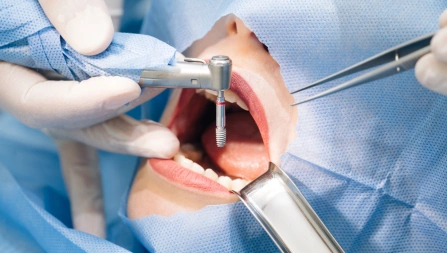
The procedure is carried out under local anaesthetic, so you should not feel pain during treatment. After surgery, some swelling and discomfort are normal for a few days. Healing usually takes a few weeks for the gums, with follow-up appointments to monitor progress.

Like any surgical treatment, subperiosteal implants carry some risks, including infection, gum irritation, or implant movement. Because the framework sits under the gum, careful aftercare and regular check-ups are essential.

With proper care, subperiosteal dental implants can last many years. Longevity depends on factors such as oral hygiene, regular dental visits, and overall health. While they may not always match the lifespan of traditional implants, they provide a reliable long-term solution for patients who have limited treatment alternatives.

Keep Up to Date Latest News

Read more updates

Are Dental Implants Available on the NHS?

Dental implants are a great alternative to false teeth and can dramatically change your appearance and smile. Long recognised as one of the most effective…

Dentures and dental implants – which are right for you?

Missing teeth don’t just harm your self-image, but can also damage your remaining teeth, impair your speech and lead to bone loss. Thanks to modern…

How Much Are Dental Implants?

No matter how good your oral hygiene is, unfortunate circumstances may lead to you losing one or more of your teeth during your lifetime. Thankfully,…

Make an enquiry speak to our team.

Career 2