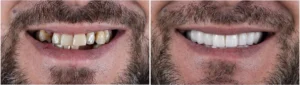
Dental implant before and after transformations are among the most dramatic changes in modern cosmetic and restorative dentistry. Replacing missing, failing or severely damaged teeth can completely change the appearance of a smile while also improving everyday comfort, bite function and confidence.
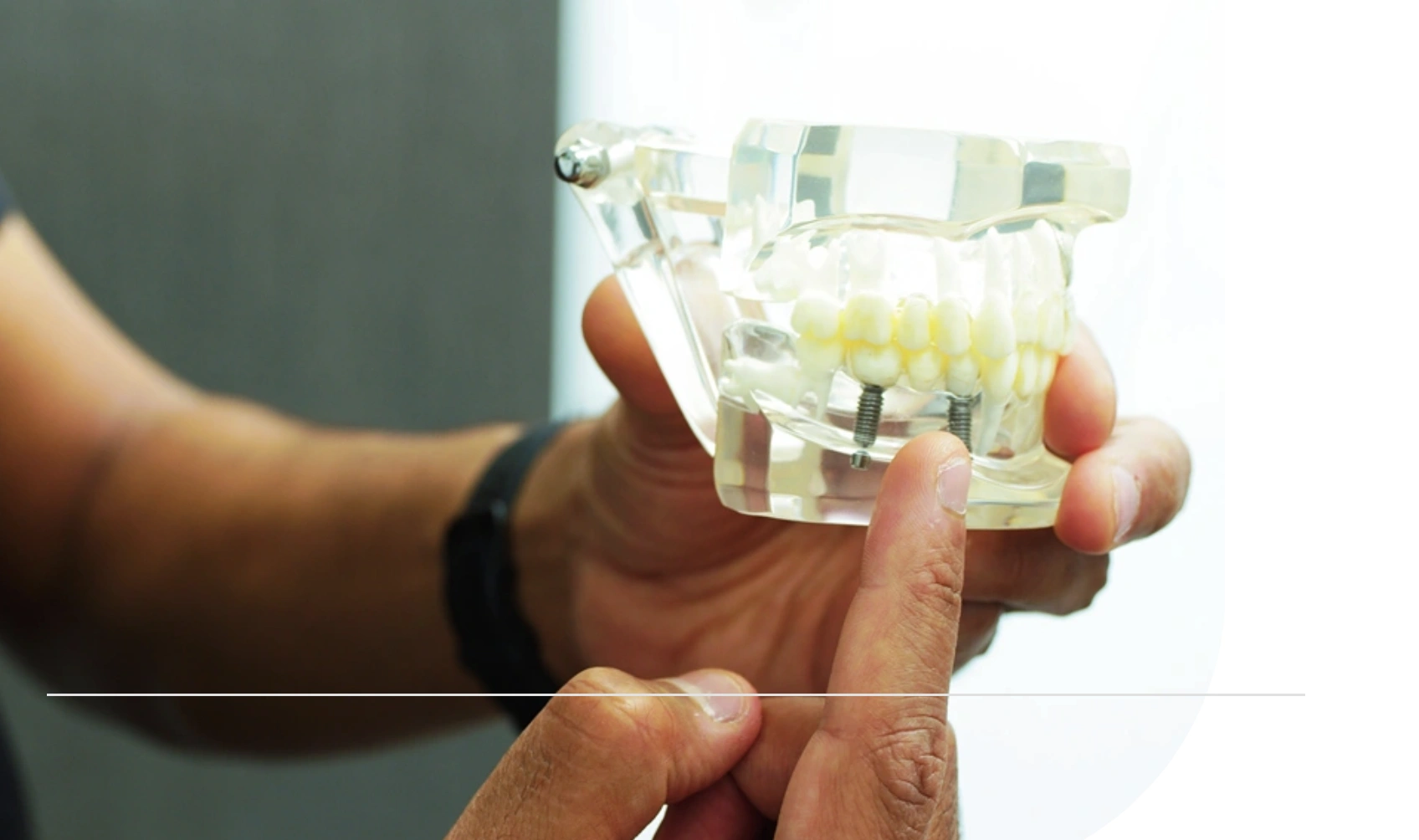
At Perfect Smile Denta, we have helped countless patients restore their smile with more than 20,000 implants placed across our UK clinics. Each implant treatment plan is individualised to meet the patient’s oral health, smile goals, and long-term function. Whether restoring one missing tooth or planning for full dental implant treatment, the aim is always to achieve stable, realistic, and natural results.
How Can Dental Implants Change Your Smile?
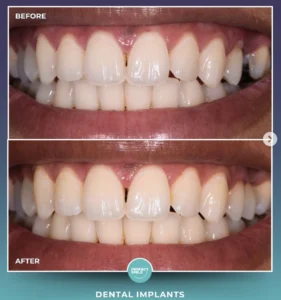
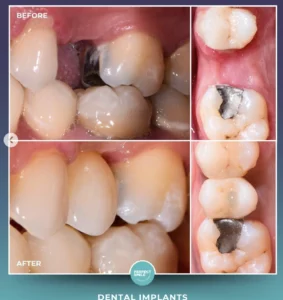
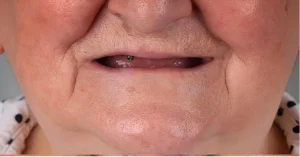
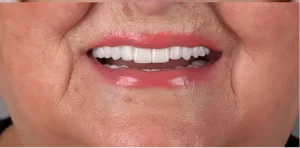
Dental Implants Images Before And After
| Before Dental Implants | After Dental Implants |
| Missing teeth or visible gaps | Restored smile appearance |
| Loose or uncomfortable dentures | More secure biting function |
| Difficulty chewing certain foods | Improved eating confidence |
| Bone loss after tooth removal | Better long-term jaw support |
| Sunken facial appearance | Fuller facial balance |
| Damaged or failing teeth | Stable tooth replacement solution |
Tooth loss remains a common long-term oral health concern in the UK, particularly among adults with gum disease, trauma or failing dental work. Sometimes, patients searching for “dental implant before and after” cases are amazed at how much tooth replacement can improve. Unlike removable dentures, implants act like natural tooth roots to support smile aesthetics and long-term jawbone health.
Life Before Dental Implants: Common Patient Concerns
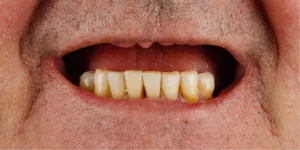
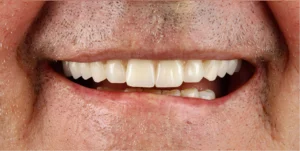
For many patients, tooth loss begins to affect everyday routines years before treatment is considered. Common concerns often include:
- Smiling less in social situations
- Difficulty eating harder foods
- Feeling older because of missing teeth.
- Dentures slip when speaking or eating.
- Confidentiality issues may arise in close conversations.
- Avoiding photographs
- Fear of facial collapse and ageing appearance.
- Visible gaps in the smile cause anxiety.
Types Of Dental Implants Available At Our Locations
| Implant Treatment | Short Description |
| Single Tooth Implants | Replaces one missing tooth without affecting neighbouring natural teeth |
| Front Tooth Implants | Restores visible front teeth with a natural-looking smile balance |
| Mini Dental Implants | Uses smaller implant posts where jawbone space is limited |
| Same Day Dental Implants | Teeth are attached shortly after implant placement to reduce waiting time |
| All-on-4 Implants | A full arch of fixed teeth supported by four placed implants for improved stability. |
| All-On-6 Dental Implants | Six implants support a full fixed bridge for improved strength and stability |
| Full Mouth Dental Implants | Replaces multiple failing or missing teeth with fixed implant restorations |
| Subperiosteal Implants | Positioned over the jawbone, where standard implants may not be suitable |
| Zygomatic Dental Implants | Anchored into the cheekbone for severe upper jawbone loss cases |
Recovery After Dental Implant Treatment
| Recovery Stage | What Patients May Experience |
| First 24–72 Hours | Mild swelling or tenderness |
| First Week | Healing of gum tissues |
| 2–6 Weeks | Gradual improvement in comfort |
| Several Months | Implant integrates with jawbone |
| Long-Term | Stable function with proper care |
How Long Do Dental Implants Last?
View this post on Instagram
Dr Suneil explains how good oral hygiene, healthy gums and routine dental care can help implants last for decades. Besides, he discusses how long-term implant care, bite protection, and professional monitoring can help patients maintain strong and natural-looking dental implants before after results.
Single Implants vs Full Mouth Dental Implants
When patients search for “full dental implants before and after”, they often compare treatment options depending on how many teeth need to be replaced.
Single Dental Implants
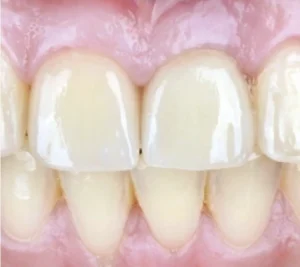
Dental Implants Images Before And After
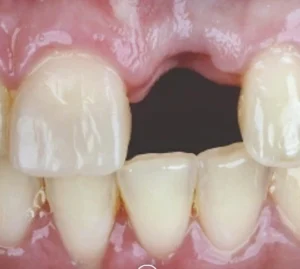
A single dental implant is used when one tooth is missing or requires extraction and the neighbouring teeth are healthy. The implant is placed into the jawbone to replace the missing root before a custom-made crown is attached, creating a restoration that functions independently.
- Standalone Restoration: Replaces an individual missing tooth without relying on adjacent teeth for support.
- Custom-Made Crown: The visible tooth is designed to match the colour, shape and contours of your natural smile.
- Preserves Adjacent Teeth: Unlike a conventional bridge, healthy neighbouring teeth generally do not need to be prepared.
- Designed for Long-Term Function: The implant integrates with the jawbone to provide a stable foundation for everyday biting and chewing.
Multiple Dental Implants
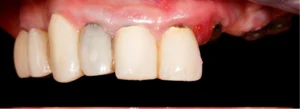
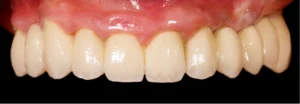
Patients missing several teeth may not require one implant for every gap. Depending on the location of the missing teeth and the condition of the surrounding bone, implants can support fixed bridges or multiple individual restorations as part of a personalised treatment plan.
- Flexible Restoration Options: Treatment may involve implant-supported bridges, individual implant crowns or a combination of restorative solutions.
- Implant Placement: Implants are positioned to provide support while making the most efficient use of available bone.
- Fixed Tooth Replacement: Unlike removable partial dentures, implant-supported restorations remain securely in place during normal function.
- Individual Treatment Planning: The number and position of implants are determined by your oral health, bite and restorative requirements.
Full Mouth Dental Implants
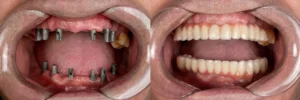
Full mouth dental implants are suitable for patients with extensive tooth loss, failing teeth or those looking for a fixed alternative to removable dentures. Depending on your clinical needs, treatment may involve All-on-4®, All-on-6 or other full-arch implant solutions supported by advanced digital planning.
- Full-Arch Restoration: A complete upper or lower arch of replacement teeth is supported by a carefully planned number of dental implants.
- Digital Treatment Planning: Advanced imaging is used to determine implant positioning, bite alignment and the final smile design before treatment begins.
- Fixed Alternative to Dentures: The restoration is secured to dental implants, reducing the movement commonly experienced with removable dentures.
- Tailored to Your Oral Health: Every treatment plan is developed around your jawbone condition, gum health, bite relationship and long-term restorative goals.
Full Mouth Dental Implant Options Explained By Dr Suneil
View this post on Instagram
In this video, Dr Suneil explains the difference between implant-retained dentures and All-on-4 dental implants, including how both treatments can improve smile stability, chewing comfort and confidence compared to traditional removable dentures. The video also helps patients understand how modern full dental implants before and after treatment can restore a more secure, natural-looking smile using advanced implant techniques tailored around long-term function and support.
Who is A Suitable Candidate for Dental Implants?
Dental implants can be suitable for a wide range of adults looking for a long-term solution for missing, failing or severely damaged teeth. Suitability depends on factors such as oral health, jawbone condition, lifestyle habits and the complexity of tooth loss.
| Candidate Type | How Dental Implants May Help |
| Adults Missing One Tooth | Single dental implants can replace a single missing tooth on their own without affecting neighbouring healthy teeth. |
| Patients Missing Multiple Teeth | Implant-supported bridges or full arch solutions can save multiple missing teeth. |
| Denture Wearers | Dental implants may provide a more secure and comfortable alternative to loose removable dentures |
| Adults With Failing Teeth | Very severely damaged or failing teeth may be restored with long-term implant restorations. |
| Younger Adults With Stable Jaw Development | Implants are usually considered after jaw growth has completed. |
| Older Adults Seeking Better Stability | Many older patients select implants for improved chewing comfort, confidence and everyday function. |
| Patients With Bone Loss | Sometimes, bone grafting or advanced implant techniques support treatment. |
| Full Mouth Rehabilitation Cases | Full mouth dental implants may restore smile aesthetics and bite support. |
Before Dental Implant Treatment
- Ensure Your Mouth is Healthy: Any tooth decay, gum disease or active dental infection should be treated before implant placement to create the best conditions for healing.
- Assess Jawbone Suitability: Digital X-rays or 3D scans help your dentist evaluate whether there is enough healthy jawbone to support the implant or if additional procedures may be recommended.
- Review Your Medical History: Your dentist will discuss your general health, medications and lifestyle habits, such as smoking, as these can influence healing and long-term implant success.
- Plan Your Implant Treatment: Careful treatment planning determines the ideal implant position, restoration type and the most predictable approach for restoring your smile.
- Follow Your Pre-Procedure Instructions: You may receive personalised advice about eating, medication or other preparations before your implant appointment to help ensure treatment goes smoothly.
After Dental Implant Treatment
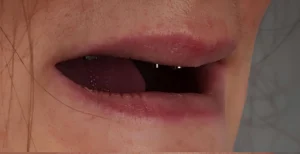
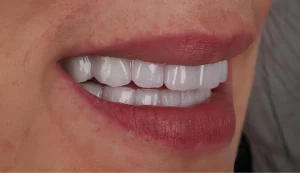
- Protect the Implant Site: Avoid disturbing the surgical area while the gums heal, and follow your dentist’s aftercare advice to encourage healthy healing.
- Eat Soft Foods During Early Healing
Choose softer foods for the first few days and avoid placing excessive pressure on the implant while the surrounding tissues recover. - Keep the Area Clean: Good oral hygiene is essential for preventing infection and maintaining healthy gums around your dental implant.
- Avoid Smoking Where Possible: Smoking can slow healing and increase the risk of implant complications, so avoiding tobacco during recovery is strongly advised.
- Attend Your Follow-Up Appointments: Regular review appointments allow your dentist to monitor healing, confirm the implant is integrating successfully with the jawbone and ensure your final restoration continues to function as intended.
Book A Dental Implant Consultation At Your Nearest Perfect Smile Practice
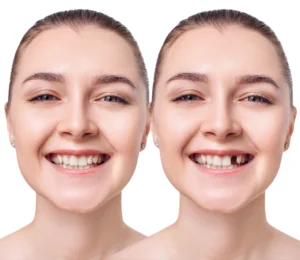
Choosing Dental implants is a big decision; that’s why every consultation at Perfect Smile Dental is designed to educate patients on what is realistically possible for their Smile, oral health and long-term comfort before treatment begins. At your appointment, our implantologist will show you how your teeth, gums, jawbone and bite are doing with advanced digital imaging and clinical examination. Book your dental implant consultation today and discover whether you’re suitable for single tooth implants, implant-supported bridges or full mouth dental implants, with a personalised treatment plan tailored to your smile and long-term oral health.
FAQs: Dental Implant Before After Results
What changes do patients usually notice with teeth implants before and after treatment?
Teeth implants before and after treatment often change both appearance and everyday function. Patients usually report better bite stabilisation, greater chewing comfort and increased self-confidence when smiling or speaking. If older dentures or failing teeth are involved, implant treatment may also restore facial support lost due to long-term tooth loss.
Is dental implant treatment painful?
Most patients describe dental implant treatment as comfortable. Implant placement usually takes place under local anaesthetic, and some patients report a similar recovery following implant placement as with a routine tooth extraction. Some temporarily swollen, tender or bruised areas may occur during healing, especially in more advanced cases involving multiple implants or bone grafting procedures.
Are dental implants available on the NHS?
Dental implants are usually provided privately within the UK and are only available on the NHS in limited clinical situations. NHS-funded implant treatment is generally reserved for cases involving severe trauma, head and neck cancer, congenital conditions or situations where conventional dentures are not suitable.
Am I too old for dental implants?
No upper age limit applies to dental implant treatment. Some elderly people choose implants to improve denture stability, chewing comfort, and confidence while eating or speaking. Suitability is more about oral health, bone support, and general healing than age alone.
